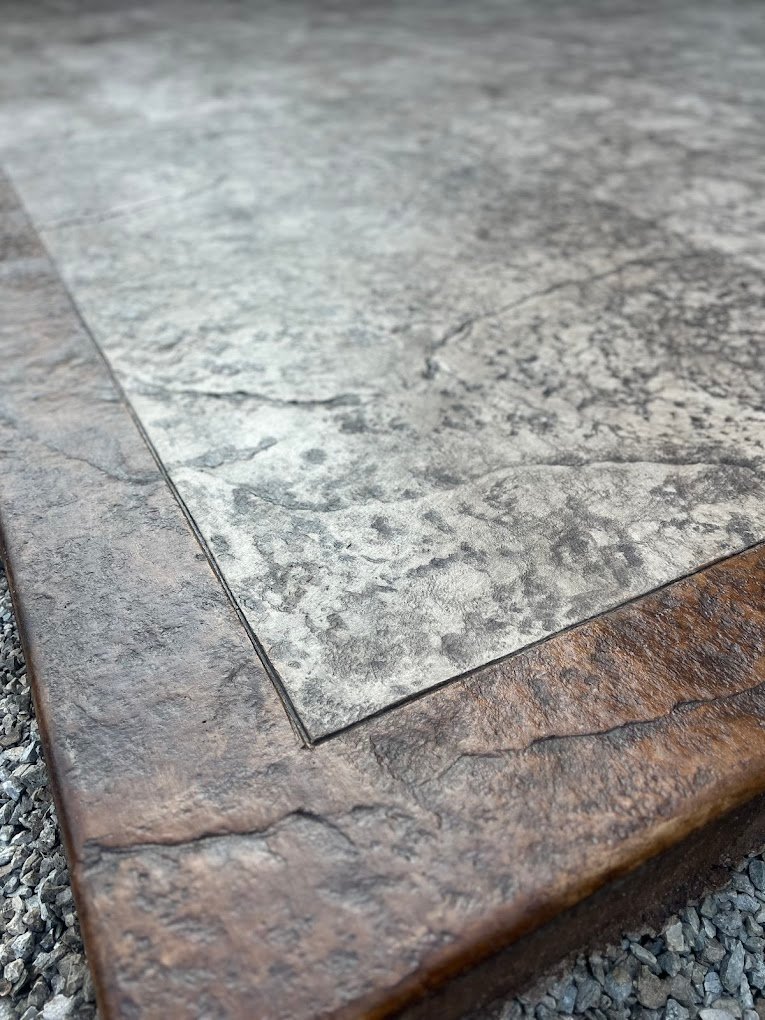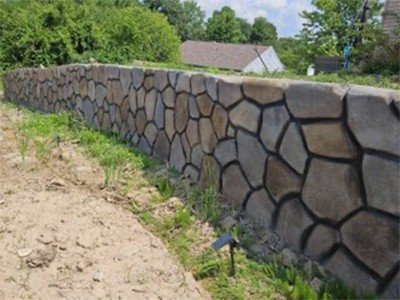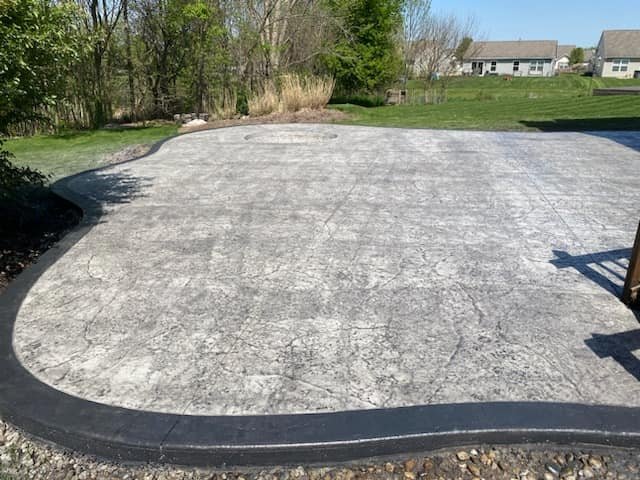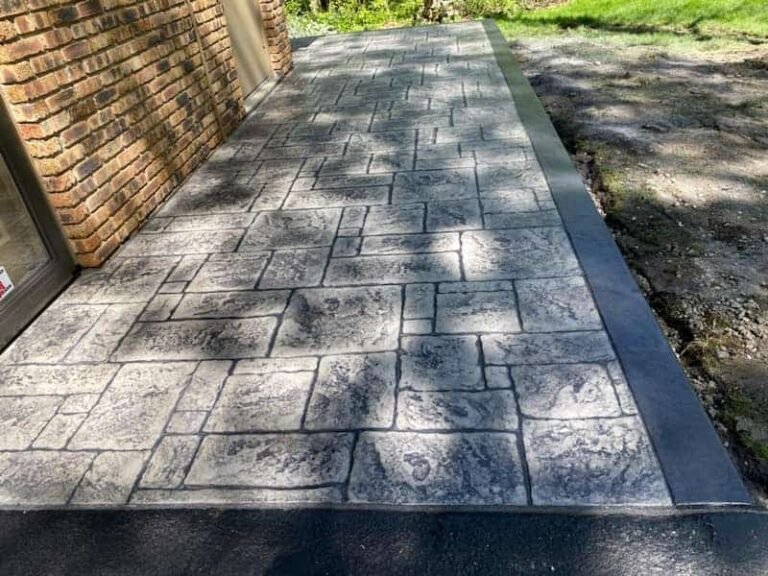
A stamped concrete patio can be one of the best upgrades for outdoor living in Fort Wayne, IN. It gives you the look of stone, brick, or slate with a smooth, continuous surface that’s easy to enjoy day to day. The key is that stamped patio concrete is still concrete, so it needs the right maintenance to protect the color, prevent surface wear, and reduce the risk of cracking or scaling over time.
This guide explains how to maintain a stamped concrete patio with practical steps you can follow season by season. You’ll learn how the weather in Indiana affects stamped concrete patios, the most important maintenance routines, common mistakes to avoid, and pro tips to keep your stamped concrete patio looking great for years.
What Affects Stamped Concrete Patios and Their Maintenance Needs
Stamped concrete patios are exposed to the same stressors as any outdoor surface, but decorative finishes can show wear faster if they are not protected. In Fort Wayne, the biggest factors are freeze-thaw cycles, moisture, UV exposure, and deicing products.
Here are the main things that affect stamped concrete:
- With weather and temperature swings, water can get into tiny pores, then expand when it freezes
- Sun exposure, UV can fade color over time, especially without a quality sealer
- Water drainage, standing water increases staining and surface wear
- Foot traffic and furniture, chair legs, and grills can scratch or wear high spots
- Deicing salts, some products can cause scaling or surface damage
- Sealer quality and age: The sealer is the main protective layer for color and stain resistance
If you’re also comparing prices for a stamped concrete patio or wondering how much a stamped concrete patio costs, keep in mind that long-term value depends on maintenance. A well-maintained concrete stamped patio can look high-end for a long time, while neglected surfaces can dull, stain, or flake early.
Key Maintenance Steps and how to extend their lifespan
Clean Regularly With Gentle Methods
Routine cleaning is the easiest way to protect your stamped concrete patio. Dirt, pollen, and organic debris can stain if they sit too long, especially in textured grooves.
What to do:
- Sweep or blow off debris weekly, especially leaves and mulch
- Rinse with a garden hose as needed
- Use a mild soap and a soft broom for deeper cleaning
- Spot clean spills quickly, especially grease from grills
Avoid harsh chemicals unless they are approved for sealed concrete. If you have a red stamped concrete patio or a darker color, gentle cleaning helps prevent uneven fading and keeps the color looking consistent.
Reseal On A Consistent Schedule
Sealer protects stamped concrete from moisture, stains, and UV fading. Over time, the sealer wears down from the sun, foot traffic, and weather.
General resealing guidance:
- Many patios benefit from resealing every 2 to 3 years
- High sun or high traffic areas may need it sooner
- If water no longer beads on the surface, it may be time to reseal
A fresh sealer can also restore the “wet look” finish many homeowners like. The right sealer choice matters; some are more breathable, some are glossier, and some handle freezing and thawing better.
Protect Against Freeze, Thaw, and Moisture
Freeze-thaw is one of the biggest threats to concrete stamped patios in Indiana. The goal is to reduce water sitting on the surface and reduce water soaking into the slab.
Helpful habits:
- Keep downspouts directed away from the patio
- Make sure water drains off the surface, not toward the house
- Avoid letting snow piles melt and refreeze repeatedly on the patio
- Fix small cracks early so water does not widen them
If you notice pooling water, that is a maintenance issue and a drainage issue. Addressing it early can extend the life of stamped concrete for a patio significantly.
Use The Right Snow And Ice Strategy
Winter care is where many stamped concrete patios get damaged. The wrong deicer or aggressive tools can scratch the surface or cause scaling.
Best practices:
- Use a plastic shovel, not a metal edge
- Avoid sharp ice chippers
- Use sand for traction when possible
- If you must use a deicer, choose one labeled safe for concrete and use it sparingly
A sealed concrete stamped patio is more resistant, but no surface is invincible. The goal is to reduce chemical exposure and physical scraping.
Prevent Stains From Furniture, Planters, And Grills
Stamped concrete patios can stain from rust, fertilizer, grease, and standing water under objects. This is especially noticeable on lighter colors and detailed stamp patterns.
Simple prevention steps:
- Use furniture pads under chair legs
- Place grill mats under grills and smokers
- Use planters with feet or trays; do not let water sit underneath
- Clean grease drips quickly to prevent dark spots
Watch For Early Wear And Address It Quickly
Small issues become big issues when they are ignored. If you catch wear early, you can often fix it with cleaning, touch-up, or resealing rather than major repair.
Look for:
- Dull areas where the sealer has worn off
- White haze or flaking, which can signal moisture issues or salt exposure
- Hairline cracks that may need sealing
- Color fading in high sun areas
Common Pitfalls to Avoid
Pressure Washing Too Aggressively
Pressure washing can be helpful, but too much pressure can strip the sealer, etch the surface, and leave visible lines. Stamped patio concrete has texture, so damage can show quickly.
If you pressure wash:
- Use lower pressure
- Keep the tip moving
- Avoid blasting edges and joints
- Do not pressure wash right before freezing weather
Using Harsh Deicers Or Too Much Salt
Salt and harsh deicers can contribute to scaling and surface breakdown, especially if the patio is not sealed or the sealer is worn. This is one of the most common reasons stamped concrete patios look rough after a few winters.
If traction is the issue, sand is often safer. If you need a deicer, use the mildest option and apply lightly.
Skipping Resealing Until The Patio Looks “Bad”
Many homeowners wait to reseal until the patio is already dull, stained, or fading. At that point, you may need extra cleaning or restoration steps before sealing.
A better approach is to reseal on a schedule. It is easier, cheaper, and keeps the surface protected year-round.
Letting Water Pool Or Drain Toward The House
Standing water increases staining and can worsen freeze-thaw stress. Poor drainage can also cause moisture problems near foundations.
If water pools consistently, it is worth addressing. Sometimes the fix is simple, like redirecting downspouts or adjusting landscaping.
Dragging Heavy Items Across The Surface
Dragging furniture, fire pits, or planters can scratch the sealer and wear down high points in the stamp pattern. Lift items when possible, and use pads or sliders.
Pro Tips
- Do a spring reset, sweep, rinse, and check if water beads on the surface to gauge sealer condition
- Keep a stain kit ready, mild soap, soft brush, and a degreaser approved for sealed concrete
- Use outdoor rugs carefully, choose breathable rugs, and move them occasionally to prevent moisture trapping
- Schedule resealing before winter; a well-sealed surface handles winter better than a worn one
- Ask about color and finish options. If you’re planning a new patio, the sealer choice affects shine and slip resistance
Ready to protect your stamped concrete patio in Fort Wayne, IN?
If you want help with how to maintain a stamped concrete patio or you need resealing, repairs, or a new stamped concrete patio in Fort Wayne, IN, Crystal Creek Concrete can help. We install and maintain stamped concrete patios with finishes that fit your style and stand up to Indiana weather. Contact Crystal Creek Concrete today to get a quote and keep your stamped concrete patio looking great for years!