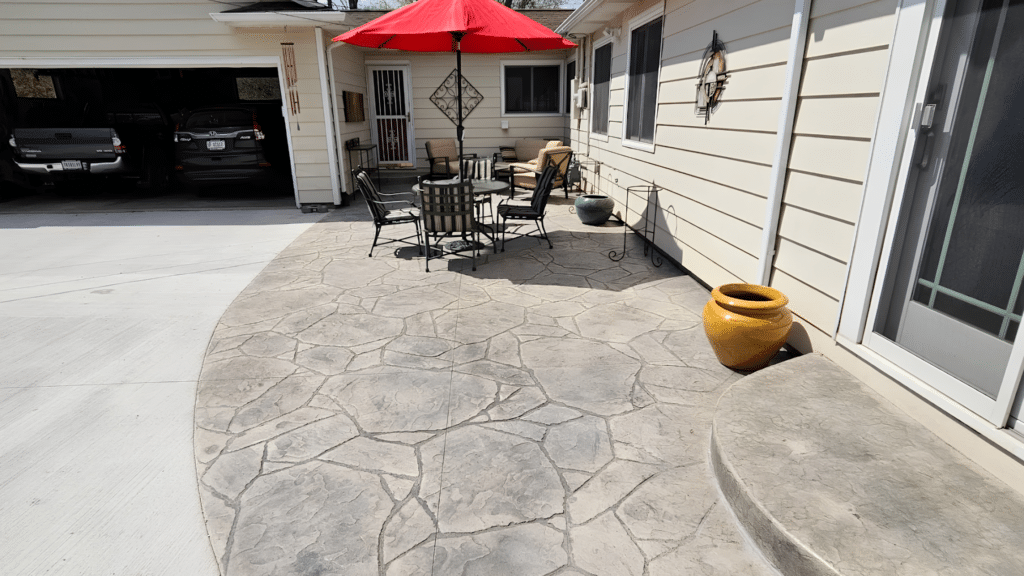
Stamped concrete patios have become one of the most popular outdoor upgrades for homeowners who want a cleaner, more customized exterior space without using natural stone or pavers.
They offer the appearance of premium materials while maintaining the durability and structural performance of concrete. At the same time, stamped concrete is not the right fit for every property or budget.
This guide breaks down the real pros, cons, costs, maintenance requirements, and design considerations homeowners should understand before starting a stamped concrete patio project.
What Is a Stamped Concrete?
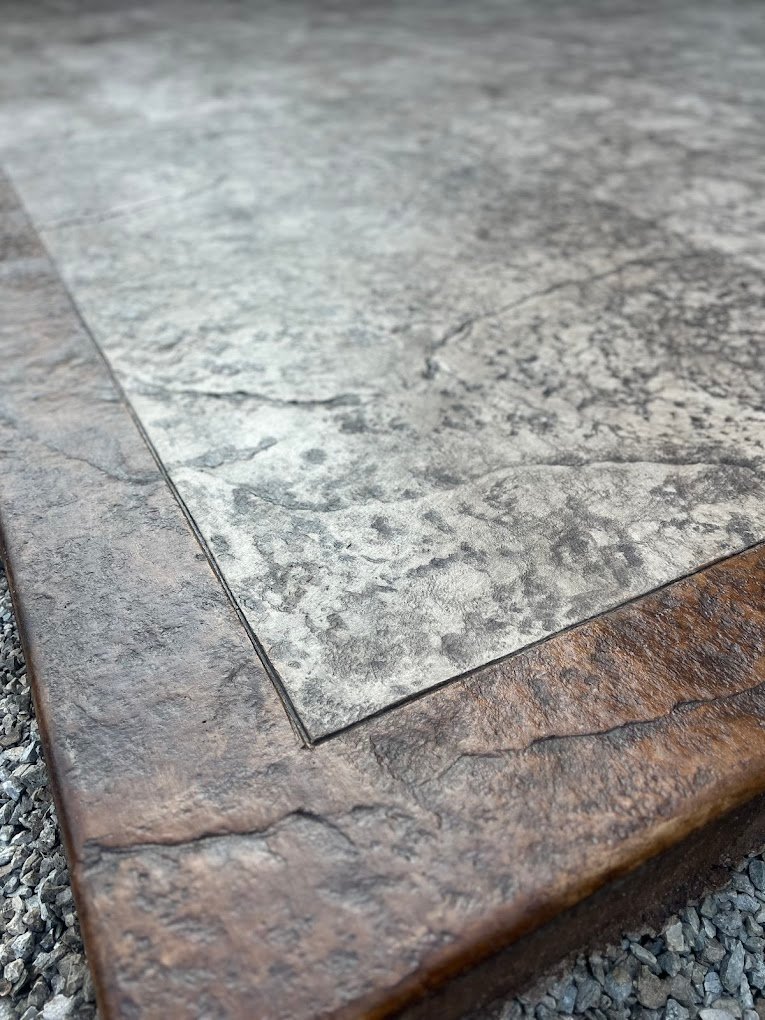
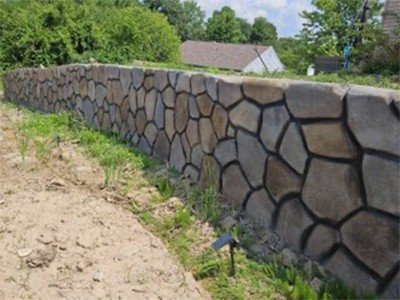
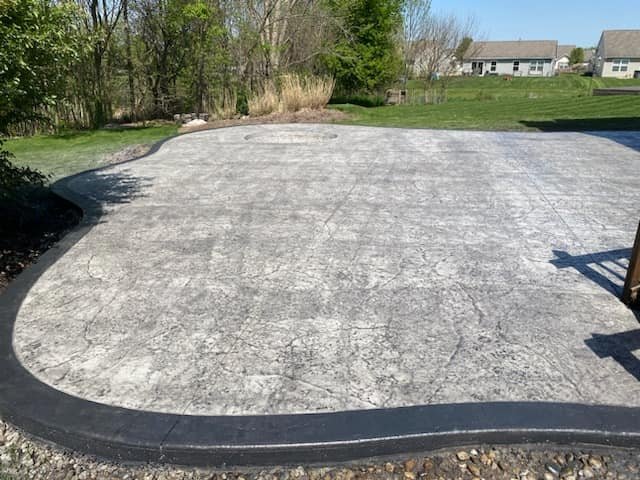
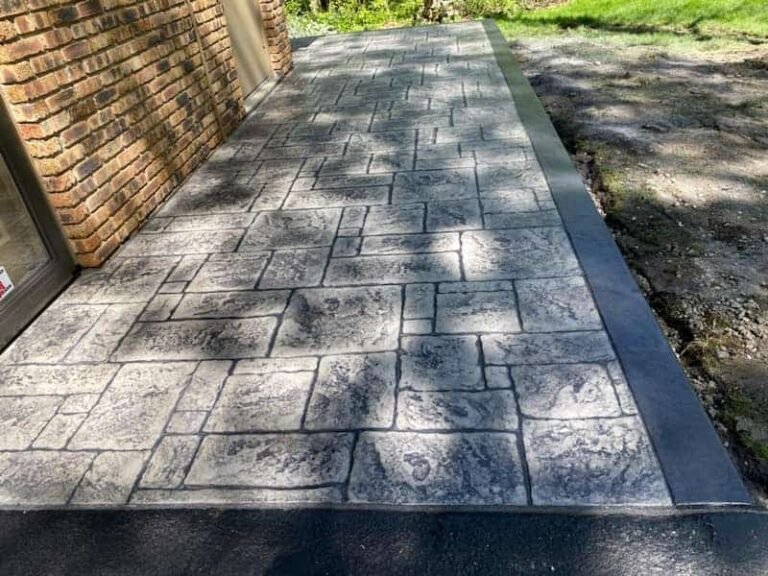
A stamped concrete is a poured concrete surface that is textured and patterned to resemble materials such as:
- Natural stone
- Slate
- Brick
- Wood plank
- Tile
Color is often added to create a more realistic appearance, and sealers help protect the surface while enhancing the finish.
Stamped concrete is commonly used for patios because it combines decorative appeal with the strength of a solid concrete slab.
Homeowners looking for customized outdoor finishes often explore stamped concrete patio installation options to improve both appearance and functionality.
How Much Does a Stamped Concrete Patio Cost?
Stamped concrete costs more than standard broom-finished concrete because the process involves additional labor, coloring, detailing, and sealing.
Average Stamped Concrete Patio Cost

The final price depends on:
- Patio size
- Complexity of the pattern
- Number of colors used
- Site preparation requirements
- Accessibility of the project area
Simple layouts with one pattern cost less than patios with custom borders, multiple stamp styles, or detailed coloring.
Why Homeowners Choose Stamped Concrete Patios
Stamped concrete has become popular because it provides more visual flexibility than traditional concrete while remaining structurally strong.
Decorative Appearance
Stamped concrete can replicate higher-end materials without the same installation complexity.
Many homeowners like the ability to create the appearance of:
- Natural stone patios
- Brick layouts
- Wood textures
- Large-format pavers
This allows the patio to better match the architecture and landscaping of the property.
Lower Maintenance Than Pavers
Unlike pavers, stamped concrete does not have multiple joints where weeds can grow. There are also fewer individual pieces that can shift or settle independently over time.
While stamped concrete still requires maintenance, many homeowners prefer the simpler upkeep compared to paver systems.
More Design Flexibility
Stamped concrete offers a wide range of customization options.

Pros of Stamped Concrete Patios
Stamped concrete offers several practical advantages beyond appearance.
Long Lifespan
When installed correctly, stamped concrete patios can last 25 years or more.
Performance depends heavily on:
- Base preparation
- Drainage
- Proper sealing
- Concrete thickness
A properly installed patio holds up well under normal residential use.
Strong and Stable Surface
Unlike individual pavers, stamped concrete is poured as one continuous slab. This creates a stable surface that handles furniture, foot traffic, and outdoor use effectively.
Wide Range of Styles
Stamped concrete works with many architectural styles, including:
- Modern homes
- Traditional homes
- Farmhouse-style properties
- Contemporary outdoor spaces
The flexibility in texture and color allows homeowners to create a patio that feels more integrated with the rest of the property.
Can Increase Curb Appeal
Outdoor living spaces are a major focus for many buyers and homeowners.
A well-designed stamped patio can improve:
- Backyard appearance
- Outdoor entertaining areas
- Overall property presentation
This is especially true when the patio design complements the home rather than appearing overly decorative or mismatched.

Cons of Stamped Concrete Patios
Stamped concrete also has limitations homeowners should understand before committing to the project.
Higher Initial Cost
Stamped concrete costs more than standard concrete finishes. The additional labor, materials, coloring, and sealing increase installation pricing.
For homeowners focused strictly on function over appearance, a standard broom finish may provide better value.
Cracking Can Still Occur
Stamped concrete is still concrete, which means cracking is possible over time.
Common causes include:
- Ground movement
- Improper base preparation
- Freeze-thaw cycles
- Heavy loads
Control joints help manage cracking, but some minor cracking is considered normal over the lifespan of the patio.
Repairs Can Be More Noticeable
One challenge with stamped concrete is repair matching.
If part of the patio becomes damaged, matching the:
- Pattern
- Color
- Texture
can be difficult.
Repairs are often more visible compared to standard concrete surfaces.
Sealing Is Important
Stamped concrete requires periodic sealing to protect the surface and maintain appearance.
Without sealing, the patio may experience:
- Color fading
- Surface wear
- Moisture penetration
- Staining
Most patios benefit from resealing every few years depending on climate and usage.
Stamped Concrete vs Pavers
This is one of the most common comparisons homeowners make when planning a patio.
Key Differences

Pavers are easier to repair individually, while stamped concrete usually provides a more continuous appearance at a lower cost.
Best Patterns for Stamped Concrete Patios
Some stamp styles remain more popular because they work well across different property styles.
Popular Stamp Patterns
- Ashlar slate
- Random stone
- Wood plank
- Herringbone brick
- Seamless stone texture
Neutral and natural tones tend to age better visually than highly saturated colors.
What Thickness Should a Stamped Concrete Patio Be?
Most residential stamped concrete patios are installed at 4 inches thick. Areas supporting heavier loads may require additional thickness or reinforcement.
Standard Patio Thickness Guidelines

How Long Does a Stamped Concrete Patio Last?
A stamped concrete patio can last decades when installed correctly and maintained properly.
Factors That Affect Lifespan
- Proper base preparation
- Drainage and slope
- Sealing schedule
- Climate exposure
- Installation quality
Most major issues come from poor preparation rather than the stamped finish itself.
Maintenance Requirements for Stamped Concrete
Stamped concrete is relatively low maintenance, but regular care helps preserve appearance and durability.
Recommended Maintenance
- Sweep and clean regularly
- Reseal every 2–4 years
- Avoid harsh deicing chemicals
- Address small cracks early
Proper sealing is one of the most important parts of maintaining stamped concrete.
Is Stamped Concrete Worth It?
For many homeowners, stamped concrete provides a balance between appearance, durability, and cost.
It offers:
- More customization than standard concrete
- Lower installation cost than many natural materials
- Long-term durability when installed correctly
However, it is not maintenance-free, and decorative surfaces require proper care over time.
Homeowners who prioritize visual appearance and outdoor living space upgrades often find stamped concrete to be a worthwhile investment.
How Stamped Concrete Fits Into Long-Term Property Value
Outdoor spaces play a larger role in property value and buyer perception than they did years ago.
A professionally installed stamped patio can help create:
- A more finished backyard layout
- Better outdoor entertaining space
- Stronger visual appeal from the exterior
This is especially important for homeowners investing in larger landscaping or exterior renovation projects.
For homeowners comparing outdoor surface options, our concrete driveway guide also explains how decorative concrete performs across different residential applications.
Your Next Step
Stamped concrete patios offer homeowners a way to create a more customized and visually appealing outdoor space without sacrificing durability.
The key to long-term performance comes down to proper preparation, correct installation, drainage planning, and ongoing maintenance.
Understanding the pros, cons, costs, and design considerations before starting the project helps homeowners choose the right finish and avoid unrealistic expectations.
If you are considering a patio upgrade, reviewing your layout, drainage, and design goals with a contractor experienced in stamped concrete patio installation can help determine whether stamped concrete is the right fit for your property.
Crystal Creek Concrete designs and installs stamped concrete patios built around long-term durability, clean finishes, and practical outdoor use.