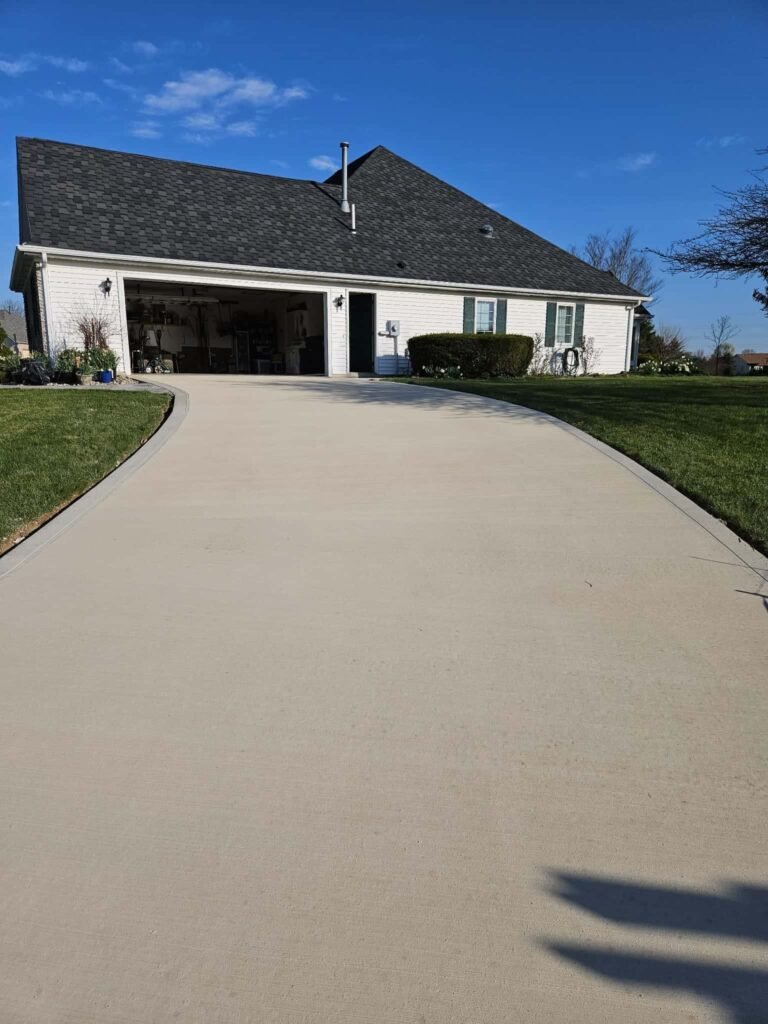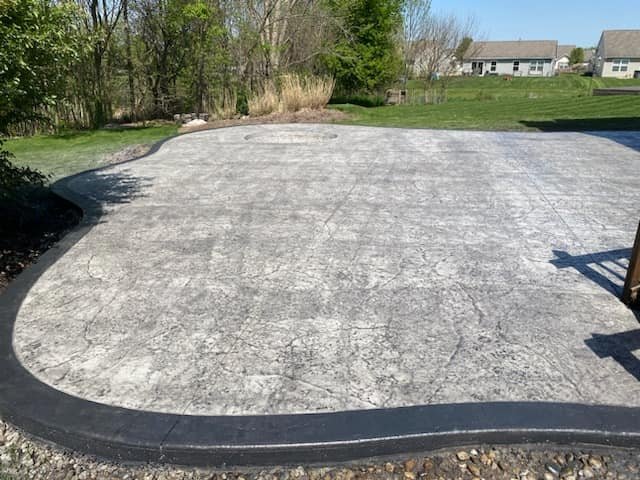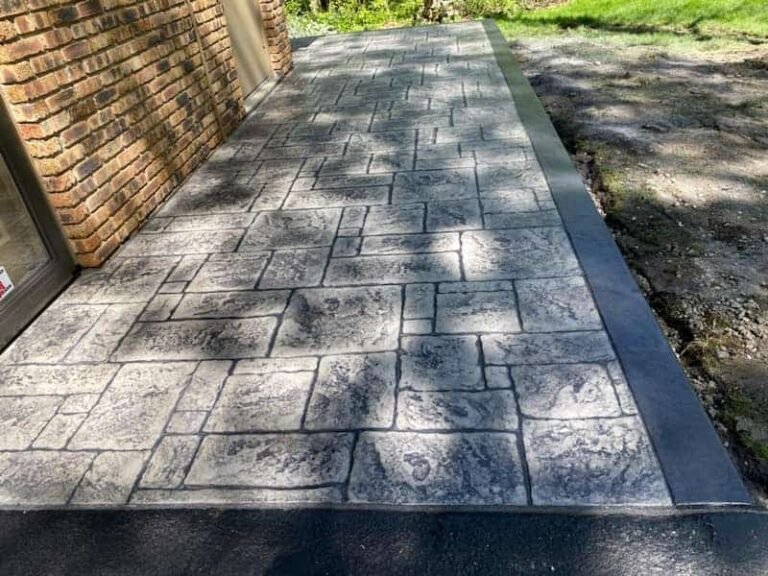
If you are planning a new path to your front door, replacing cracked concrete along the side of your house, or dealing with a damaged public sidewalk, one of the first questions is usually cost.
For a private residential project, concrete walkway cost in Fort Wayne commonly starts around $10 to $14 per square foot for a standard broom-finished surface. Decorative and stamped finishes can move the price into the $15 to $21+ range. The final cost depends on far more than square footage, though. Excavation, access, soil conditions, removal of existing concrete, walkway shape, finish, and drainage can all change the estimate. Crystal Creek Concrete’s current Fort Wayne pricing guidance uses similar ranges for standard sidewalks and decorative concrete.
There is also an important distinction between a private walkway on your property and a public sidewalk located in the city right-of-way. Fort Wayne has its own sidewalk standards and a residential cost-share program for qualifying public concrete repairs.
This guide explains what Fort Wayne homeowners should know about walkway pricing, design choices, installation, local sidewalk requirements, and long-term durability before requesting an estimate.
How Much Does a Concrete Walkway Cost in Fort Wayne?
The easiest way to create an early budget is to start with the type of surface you want.
Typical Concrete Walkway Pricing

These figures are useful for preliminary planning, but they should not be treated as a fixed quote. Small projects can sometimes have a higher effective price per square foot because equipment setup, mobilization, forming, and concrete delivery still have to be covered even when the walkway itself is relatively short.
Crystal Creek’s broader guide to concrete pricing in Fort Wayne is a useful supporting resource if you are budgeting a walkway as part of a larger driveway, patio, or exterior concrete project.
Example Walkway Budgets
A simple 4-foot-wide walkway provides a useful example.
A 30-foot-long walkway is about 120 square feet. At approximately $10 to $14 per square foot, the concrete portion of a straightforward broom-finish project might fall around $1,200 to $1,680 before unusual demolition, access, grading, or drainage needs.
A decorative stamped walkway of the same size can cost considerably more because stamping adds additional materials, coloring, finishing time, and detail work.
The best way to compare estimates is therefore not simply to ask, “What is your price per square foot?” Ask what preparation, reinforcement, finish, removal, and site restoration are included.
What Affects Concrete Walkway Cost?
Two walkways with the same dimensions can have very different prices because the conditions below the surface and around the work area may be different.
Existing Concrete Removal
Replacing an old sidewalk or walkway requires demolition, loading, hauling, and disposal before the new base can be prepared.
A new path across an open yard generally requires less removal work than replacing a deteriorated concrete walk between a house and driveway.
Existing concrete thickness also matters. Removing a basic pedestrian slab is different from removing an area that was previously thickened or designed to carry vehicle loads.
Excavation and Base Preparation
Concrete needs stable support underneath it.
In Northeast Indiana, wet conditions and soils with significant clay content make base preparation particularly important. If unsuitable soil is left beneath a walkway, movement during wet periods and winter freezing can contribute to settling, heaving, and uneven slabs.
A contractor may need to:
- Remove soft or unsuitable soil
- Excavate to the required depth
- Install compacted aggregate
- Correct low areas
- Adjust the grade before forming
Base work is not the most visible part of a finished walkway, but it is one of the parts most closely tied to long-term performance.
Walkway Width and Length
More square footage means more concrete, forming, base material, and labor.
However, width also affects how comfortable the walkway feels.
A narrow garden path has different requirements from a primary front entrance where two people may regularly walk side by side. Wider sections near doors, steps, or driveway connections can also improve circulation without making the entire path wider.
Straight vs Curved Layout
Straight walkways are generally simpler to form.
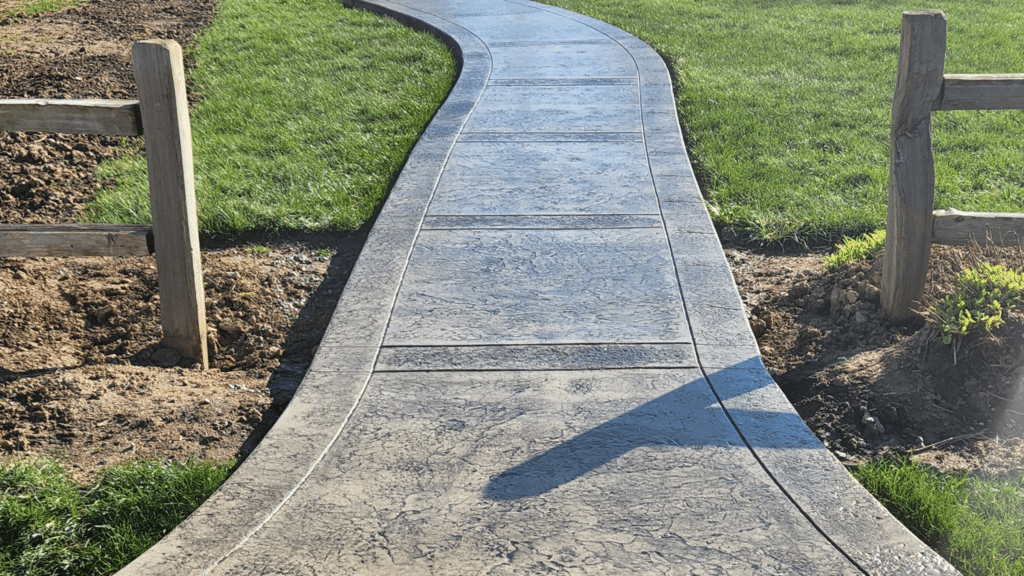
Curves require more layout and forming work. They can be a good design choice when the walkway needs to follow landscaping or create a softer approach to the house, but highly detailed shapes may add labor.
Site Access
Backyard and side-yard projects sometimes have limited equipment access.
If crews cannot easily move materials and equipment into the work area, more manual labor may be required. Fences, narrow gates, landscaping, retaining walls, and neighboring structures can all affect access.
Decorative Finish
A standard broom finish is usually the most economical residential choice.
Adding color, stamping, borders, or multiple decorative treatments requires more time and materials. The difference is not only cosmetic. Decorative work involves additional steps during a limited finishing window while the concrete is still workable.
Homeowners considering a decorative path can also explore stamped concrete in Fort Wayne when they want the walkway to coordinate with an entry, patio, or other decorative concrete.
Private Walkway vs Public Sidewalk: Why the Difference Matters
Homeowners often use “walkway” and “sidewalk” interchangeably, but the location of the concrete matters.
Private Concrete Walkway
A private walkway is typically located entirely on your property and may connect:
- The driveway to the front door
- The backyard to the side gate
- A patio to another outdoor area
- A garage to the house
- Garden or landscape areas
The homeowner generally has more flexibility with the shape, width, finish, and decorative design of a private walkway.
Public Sidewalk
A sidewalk along the street may be located within the public right-of-way even though it runs directly in front of a private home.
That means different rules can apply.
Fort Wayne publishes standard construction details for sidewalks and other public infrastructure. City Code Chapter 99 also addresses sidewalk construction and maintenance.
Before replacing concrete near a street, curb, driveway approach, or public sidewalk, confirm whether the work falls within the right-of-way.
Crystal Creek has a separate guide covering concrete permit requirements in Fort Wayne that explains where private residential concrete ends and city involvement may begin.
Fort Wayne’s 50/50 Sidewalk Cost-Share Program
This is particularly important for homeowners researching sidewalk replacement costs.
Fort Wayne Public Works operates a residential 50/50 Cost Share Program for eligible concrete located in the right-of-way. The program can include existing sidewalks, yard-walks, residential drive approaches, and curbing. It does not apply to ordinary private concrete improvements elsewhere on a property.
The City currently provides an example sidewalk repair cost of approximately $550 to $600 for a typical 5-foot-by-5-foot sidewalk slab. Under the 50/50 program, the homeowner’s share would be approximately $275 to $300 per slab. Current pricing, eligibility, funding, and scheduling should always be confirmed directly with Fort Wayne Public Works because program details can change.
Another important detail is contractor selection. If a homeowner participates through the cost-share program, the City bids and oversees the work. A homeowner cannot hire a separate contractor and later request reimbursement from the program.
For a private walkway on your own property, normal contractor pricing applies instead.
What Is the Best Finish for a Concrete Walkway?
The right finish depends on appearance, traction, maintenance, and where the walkway is located.
Broom-Finish Concrete
A broom finish is usually the most practical choice for a standard residential walkway.
A broom is drawn across the surface while the concrete is finishing, creating fine texture that improves traction.
It works especially well for:
- Front sidewalks
- Side-yard paths
- Walks between a driveway and entrance
- Utility access paths
- High-use pedestrian areas
It also keeps the project relatively simple and economical.
Stamped Concrete
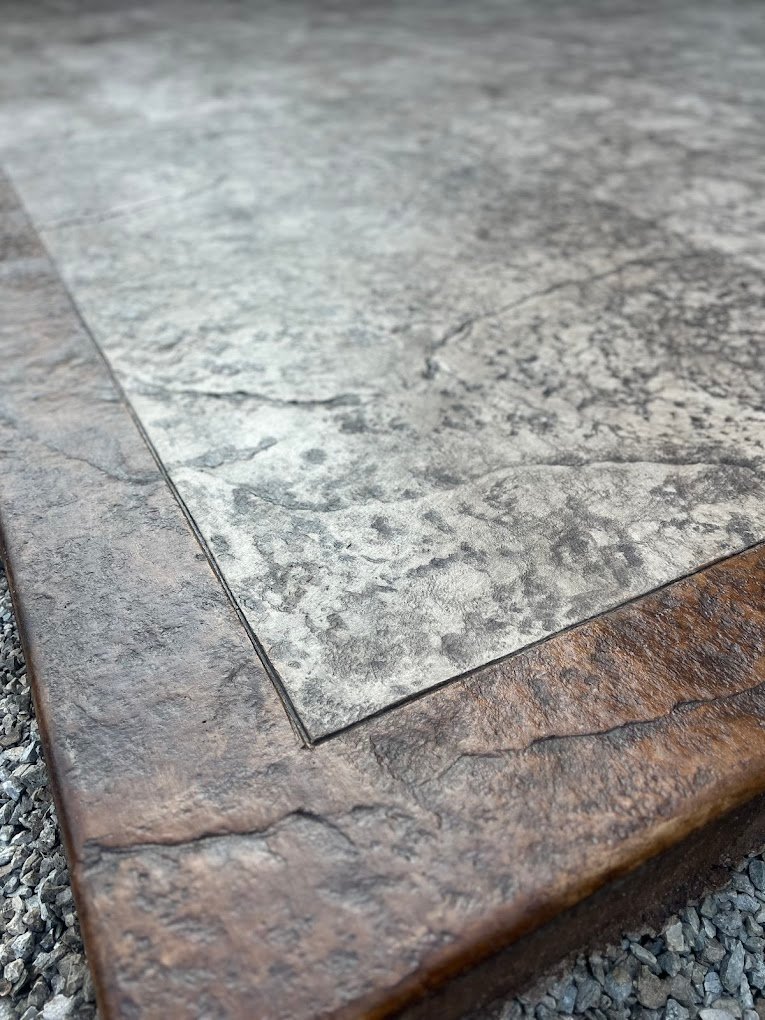
Stamped concrete can give a walkway the appearance of slate, stone, brick, or other materials.
It often works best where the walkway is part of the visual design of the home, such as a front entrance or a path connecting to a stamped patio.
The pattern should be selected with traction in mind. Highly textured surfaces may look attractive, but the finished walkway still needs to be comfortable and safe to walk on.
Colored Concrete
Color can help a walkway coordinate with brick, siding, landscaping, or another concrete feature.
Neutral gray, brown, tan, and earth-toned colors tend to work well for exterior residential projects because they complement a wide range of homes.
Decorative Borders
Homeowners do not necessarily need to make the entire walkway decorative.
A standard surface with a contrasting border can provide visual detail without the cost of stamping every square foot.
This can be especially effective at a front entrance.
How Thick Should a Concrete Walkway Be?
A standard pedestrian walkway is commonly around 4 inches thick.
The correct thickness can change when the concrete must support something heavier than normal foot traffic.

Thickness should not be viewed in isolation.
A 4-inch slab installed over an unstable or poorly compacted base may perform worse than a properly planned walkway with good subgrade preparation.
Why the Base Matters in Fort Wayne
Northeast Indiana weather puts outdoor concrete through repeated freezing, thawing, moisture, and temperature changes.
When moisture beneath a walkway freezes, movement in the soil can place stress on the slab. If the base was poorly prepared, sections may eventually settle or heave.
That is why a durable walkway begins before concrete arrives.
The process should account for:
- Proper excavation
- Stable subgrade
- Compacted aggregate base where required
- Correct elevation
- Drainage
- Suitable exterior concrete mix
- Proper joint placement and curing
For outdoor concrete in a freeze-thaw climate, air-entrained concrete is also commonly used to improve resistance to freezing and thawing.
Homeowners scheduling exterior work later in the year may also want to review the best time to pour concrete in Indiana because temperature and ground conditions affect placement and curing.
How Drainage Affects a Concrete Walkway
A walkway should move water away rather than create a place for it to collect.
Poor grading can result in:
- Standing water on the walkway
- Ice during winter
- Water draining toward the foundation
- Erosion along slab edges
- Saturated soil beneath the concrete
- Landscape drainage problems
A slight slope is generally incorporated so water can leave the surface.
The exact drainage plan depends on the surrounding grade, downspouts, driveway elevations, landscaping, and connection points.
This is one reason a contractor should evaluate the property before giving a final price. A walkway that needs drainage correction is a different project from a walkway installed on an already well-graded site.
How Wide Should a Residential Concrete Walkway Be?
Walkway width should be based on how people actually move through the property.
Front Entrance Walkway
A primary front walk generally benefits from extra width because it handles guests, packages, and regular household traffic.
A wider entrance also tends to look more proportional when leading to a large porch or front door.
Side-Yard Walkway
Side-yard paths can usually be more compact, especially when they primarily provide access to a backyard, gate, utility area, or garage.
Before choosing the width, account for:
- Fence gates
- Trash bins
- Lawn equipment
- Air-conditioning units
- Downspouts
- Landscaping
- Future access needs
Walkway Near Steps
The walkway should transition naturally into the steps rather than creating an awkward narrow point or unexpected change in elevation.
If existing steps are uneven or deteriorated, it often makes sense to evaluate them at the same time as the walkway.
Straight or Curved Walkway: Which Design Works Better?
Neither layout is automatically better.
Straight Walkways
Straight paths tend to fit:
- Formal front entrances
- Short driveway-to-door connections
- Narrow side yards
- Homes with symmetrical architecture
They are also straightforward to form and usually make efficient use of space.
Curved Walkways
Curved paths work well when:
- Landscaping needs to be preserved
- The yard has an informal layout
- The path connects several outdoor areas
- A softer decorative appearance is preferred
Avoid adding curves simply for decoration if they make the walking route unnecessarily long. Good design should improve both appearance and function.
Should You Repair or Replace an Existing Walkway?
Not every cracked walkway needs complete replacement.
The condition of the slab and the cause of the damage matter more than the appearance of a single crack.
Repair May Be Worth Considering When:
- Damage is limited to a small area
- Slabs remain relatively level
- The base appears stable
- The issue is mainly cosmetic
- A minor trip hazard can be corrected safely
Fort Wayne Public Works notes that some public-sidewalk trip hazards can be addressed through grinding or leveling rather than full slab replacement.
Replacement May Make More Sense When:
- Multiple sections have settled
- Slabs have heaved significantly
- Cracks run through several panels
- Water pools along the walkway
- Tree roots have displaced the concrete
- The existing layout no longer works
- Repeated repairs would not address the underlying problem
If you are unsure, the key question is not simply whether the concrete can be patched. It is whether the repair will address what caused the damage.

How Long Does Concrete Walkway Installation Take?
A simple residential walkway can often be completed within a relatively short construction window, but several stages are involved.
The project may include:
Removal and Excavation
Existing material is removed and the site is excavated to the proper elevation.
Base Preparation
The subgrade and aggregate base are prepared and compacted.
Forming
Forms establish the walkway’s width, shape, elevation, and transitions.
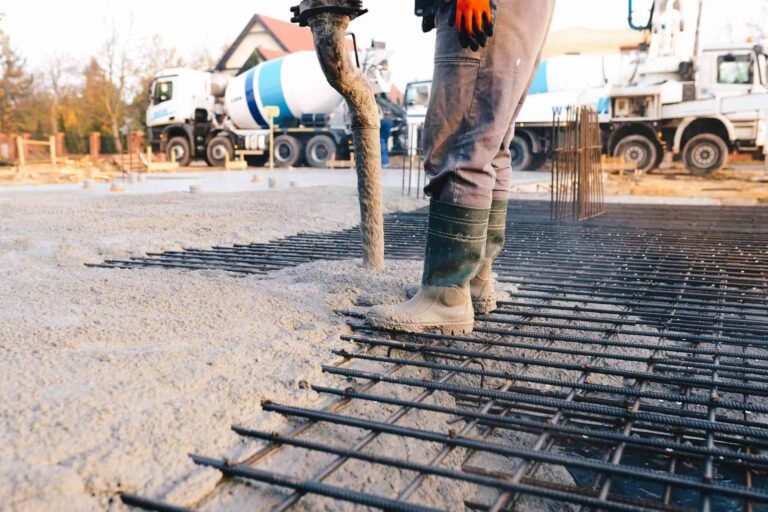
Concrete Placement
Concrete is placed, leveled, finished, and textured.
Jointing and Curing
Joints help manage normal concrete shrinkage, while proper curing allows the slab to develop strength.
The exact schedule depends on project size, weather, site access, demolition, and decorative work. Homeowners should also distinguish between the day the concrete is poured and the point when the surface is ready for normal use.
How to Compare Concrete Walkway Estimates
Price matters, but the scope behind the price matters more.
When comparing estimates, look for answers to these questions:
- Is existing concrete removal included?
- How will the base be prepared?
- What walkway thickness is included?
- What concrete mix is being used for exterior exposure?
- Is reinforcement included where needed?
- How will water drain from the surface?
- What finish is included?
- Are decorative colors or sealers additional?
- Is cleanup and site restoration included?
- Who handles right-of-way requirements if public concrete is involved?
Two estimates that appear to be hundreds of dollars apart may not actually include the same work.
A qualified concrete paving contractor in Fort Wayne should be able to explain these details clearly before the project begins.
Maintaining a Concrete Walkway Through Indiana Weather
Concrete walkways do not require complicated maintenance, but a few habits can help reduce unnecessary wear.
Keep dirt, leaves, and organic debris from sitting on the surface for long periods. Address drainage problems instead of allowing water to repeatedly pool along joints or edges.
During winter, avoid aggressively chipping ice with metal tools. Be cautious with deicing chemicals, particularly on newer concrete.
Decorative and stamped surfaces may also need periodic resealing to help protect their appearance.
Finally, watch changes in elevation between walkway panels. A small movement can become a trip hazard even when the concrete itself is not badly cracked.
Frequently Asked Questions About Concrete Walkways in Fort Wayne
How Much Does a Concrete Walkway Cost in Fort Wayne?
A standard broom-finish residential walkway commonly falls around $10 to $14 per square foot as an early planning range. Decorative and stamped options can reach approximately $15 to $21+ per square foot. Site preparation, demolition, access, shape, and drainage affect final pricing.
How Thick Should a Residential Concrete Walkway Be?
Most pedestrian walkways are approximately 4 inches thick. Areas crossing driveways or supporting heavier loads may require additional thickness or different reinforcement.
Do I Need a Permit for a Concrete Walkway in Fort Wayne?
A private walkway entirely on your property is different from work in a public right-of-way. Public sidewalks, driveway approaches, and other right-of-way work may be subject to City requirements. Confirm the project location before construction.
Who Is Responsible for the Sidewalk in Front of My Fort Wayne Home?
Fort Wayne City Code places responsibility on abutting property owners to keep sidewalks from falling into disrepair. The City also offers programs that can assist with qualifying sidewalk repairs.
Does Fort Wayne Help Pay for Sidewalk Replacement?
The City operates a 50/50 Cost Share Program for qualifying residential concrete repairs in the public right-of-way. Eligibility, available funding, current pricing, and scheduling should be confirmed with Fort Wayne Public Works.
Is Stamped Concrete Good for a Walkway?
Yes. Stamped concrete works well for decorative residential walkways when the pattern, texture, drainage, and sealer are appropriate for outdoor pedestrian use.
How Long Does a Concrete Walkway Last?
A properly installed walkway can provide decades of service. Base preparation, drainage, concrete quality, jointing, curing, weather exposure, and maintenance all influence actual lifespan.
Plan Your Concrete Walkway Around More Than Square Footage
Concrete walkway cost in Fort Wayne is important, but price alone does not tell you whether the finished project will perform well.
A reliable walkway starts with the correct layout, stable base, proper thickness, drainage, exterior concrete, and a finish suited to how the area will be used. Public sidewalks also need an additional layer of planning because Fort Wayne right-of-way requirements may apply.
Crystal Creek Concrete works with homeowners and property owners throughout the Fort Wayne area on concrete walkways, sidewalks, paving, and other exterior concrete projects. If you are planning a new walkway or replacing damaged concrete, contact Crystal Creek Concrete to discuss the site and request an estimate.