Concrete slabs are one of the most versatile building materials used in residential construction. Whether you’re installing a new driveway, creating an outdoor patio, or building a backyard shed, a properly installed concrete slab provides the strength and stability needed for long-term performance. Understanding common uses for concrete slabs can help homeowners make informed decisions about their property while protecting their investment for years to come.
In Fort Wayne, concrete must withstand everything from hot, humid summers to freezing winter temperatures and repeated freeze-thaw cycles. Choosing the right application and following a few simple maintenance practices can help your concrete remain attractive and durable for decades. This guide explores the most common residential uses for concrete slabs, how long they typically last, and how to keep them in excellent condition.
What Is a Concrete Slab?
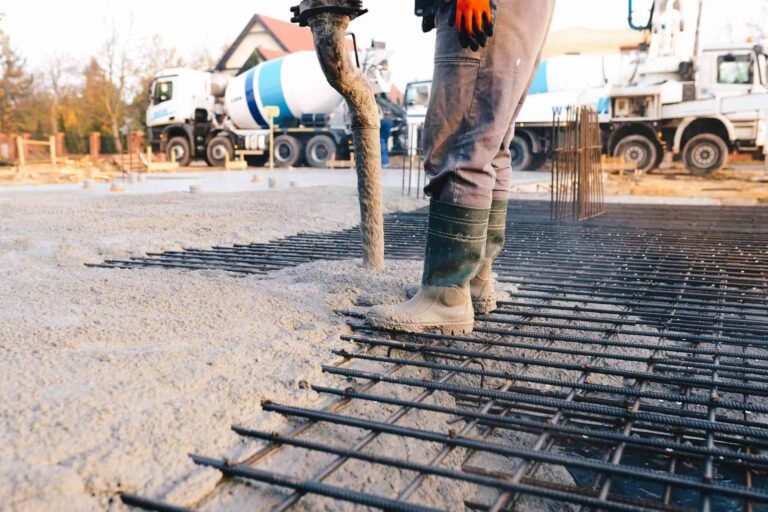
A concrete slab is a flat layer of poured concrete that creates a stable surface or foundation for a variety of residential projects. Depending on its purpose, the slab may be reinforced with steel reinforcement and designed to support everything from foot traffic to passenger vehicles.
Concrete slabs are valued because they offer:
- Excellent durability
- Low maintenance requirements
- Long service life
- Design flexibility
- Resistance to weather and everyday wear
Not every slab is built the same. Thickness, reinforcement, concrete strength, and site preparation all vary depending on how the slab will be used. For example, a driveway requires different specifications than a patio or shed floor.
Proper installation is just as important as the materials themselves. A well-prepared base and appropriate drainage help reduce settling, cracking, and other common problems over time.
Popular Residential Concrete Slab Uses
Concrete slabs serve many purposes around the home. While every project has unique requirements, these are some of the most common residential applications.
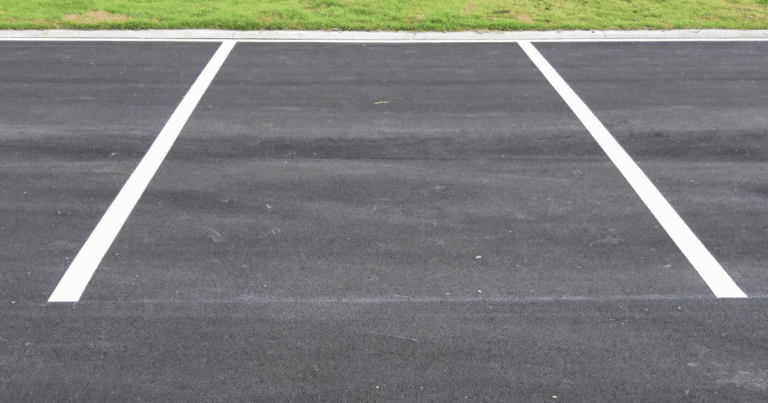
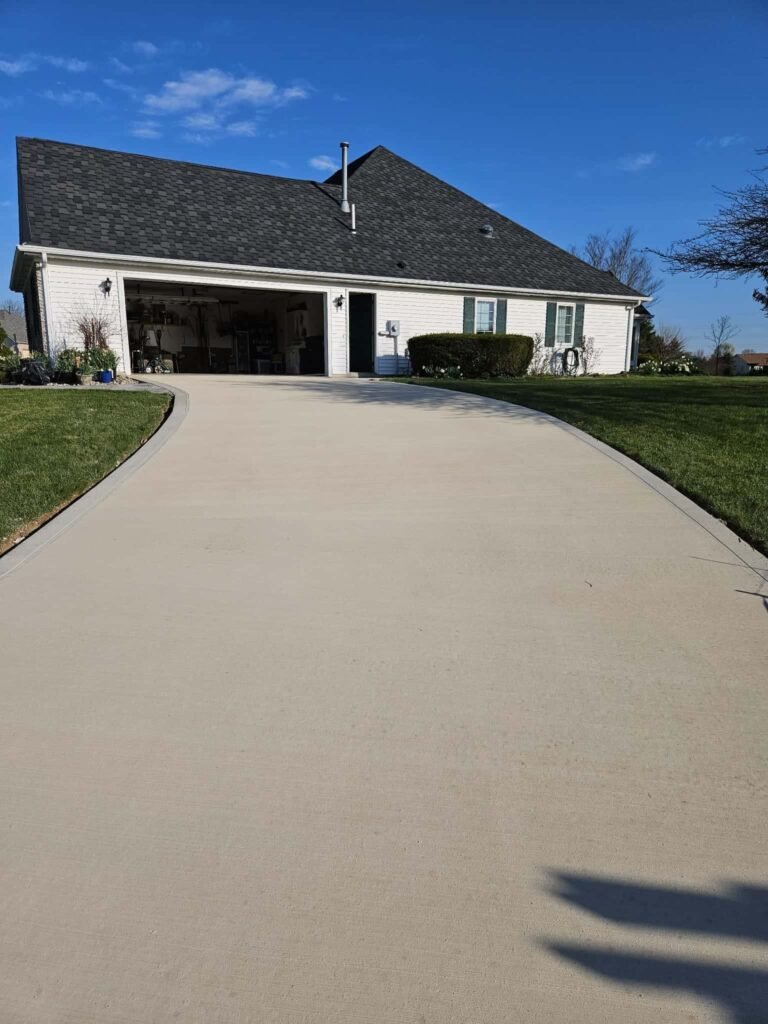
Driveways
A concrete driveway is often the first feature visitors notice when arriving at your home.
Concrete provides a durable surface that can withstand daily vehicle traffic while enhancing curb appeal. With proper installation and maintenance, a residential driveway can last for decades.
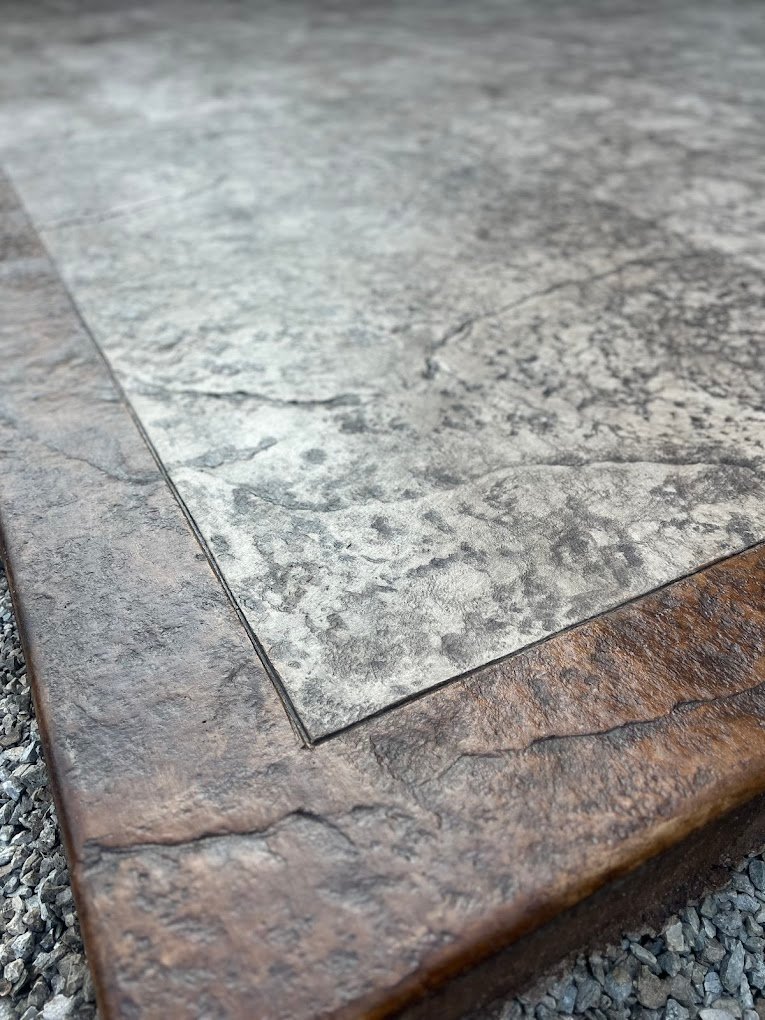
Many homeowners also choose decorative finishes, colored borders, or textured surfaces to create a custom appearance that complements the home’s architecture.
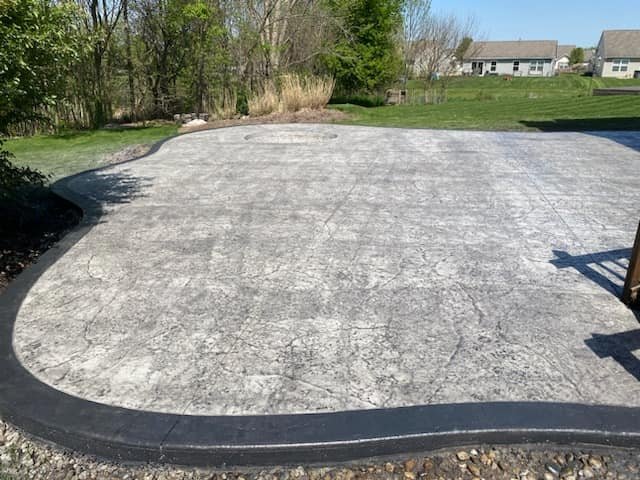
Patios
Concrete slabs make an excellent foundation for outdoor living spaces.
Unlike wood decks that require regular staining or replacement of damaged boards, concrete patios offer long-term durability with relatively little maintenance.
Homeowners can customize a patio using:
- Stamped concrete patterns
- Decorative borders
- Colored concrete
- Textured finishes
- Exposed aggregate
These options allow the patio to blend naturally with landscaping while creating an inviting space for entertaining and relaxing.
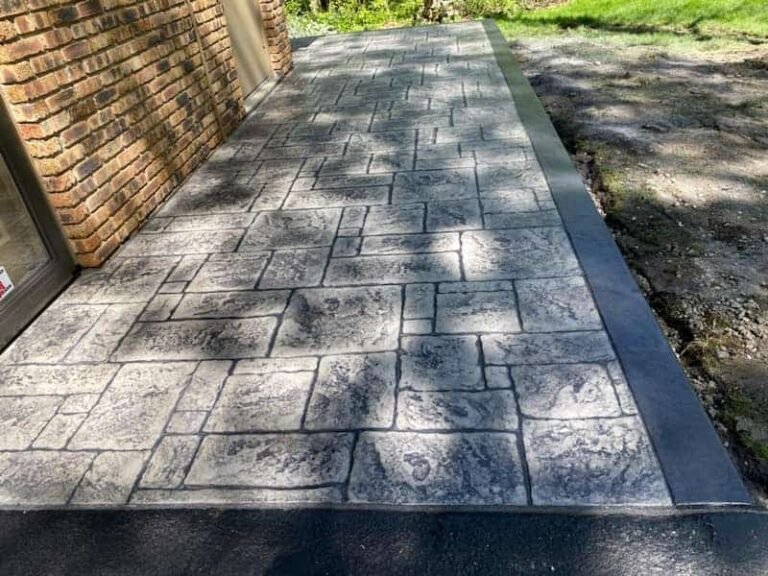
Walkways and Sidewalks
Concrete walkways improve both safety and accessibility throughout a property.
Whether connecting the driveway to the front entrance or creating pathways through the backyard, concrete provides a smooth, durable surface that withstands everyday use.
Thoughtfully designed walkways can also enhance curb appeal by creating a more cohesive landscape.
Garage and Shed Floors
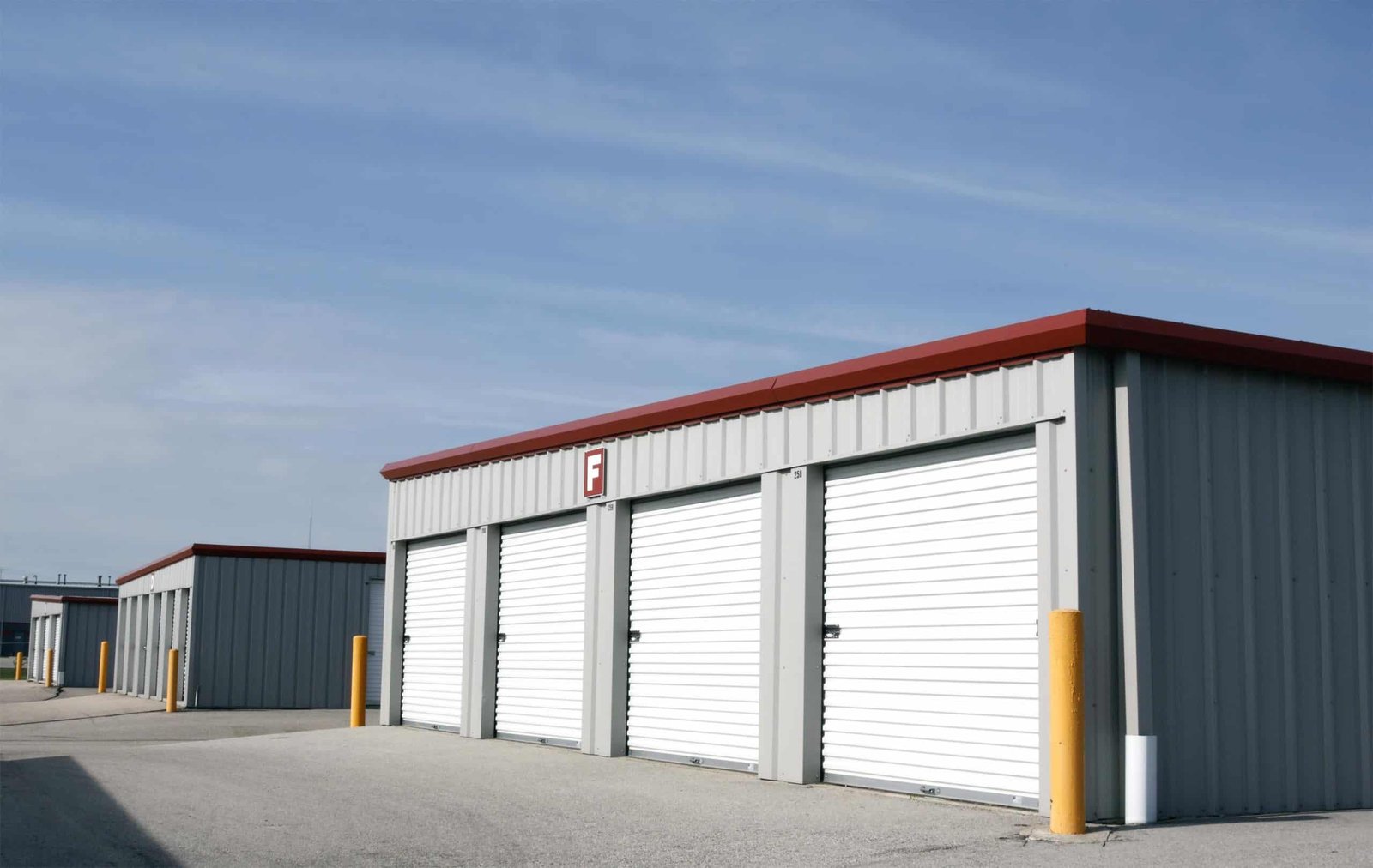
Garages and backyard sheds require stable, level foundations capable of supporting equipment, vehicles, and storage.
Concrete slabs provide excellent load-bearing capacity while resisting moisture better than many alternative materials.
A properly finished garage floor is also easier to clean and maintain than unfinished surfaces.
Home Foundations
Many homes are built on concrete slab foundations because they provide strength and stability for the structure above.
Although foundation construction differs from decorative concrete projects, the same principles of quality materials, proper site preparation, and effective drainage remain essential for long-term performance.
How Long Do Concrete Slabs Last?
One of concrete’s greatest advantages is its longevity.
When installed correctly and maintained over time, many residential concrete slabs continue performing well for several decades.
The following table provides general lifespan estimates for common applications.
| Concrete Application | Average Lifespan |
| Driveway | 30 to 40 years |
| Patio | 30 years or more |
| Walkway or Sidewalk | 25 to 30 years |
| Garage Floor | 30 to 50 years |
| Shed Slab | 30 years or more |
These estimates assume proper installation, routine maintenance, and normal residential use.
Climate, drainage, soil conditions, and maintenance all influence how long a concrete slab ultimately lasts. In Fort Wayne, protecting concrete from winter moisture and freeze-thaw cycles is especially important for maximizing its lifespan.
How to Maintain Concrete Slabs
Concrete doesn’t require constant upkeep, but routine maintenance helps preserve both its appearance and structural integrity.
Keep the Surface Clean
Regular cleaning removes dirt, leaves, road salt, and other debris that can stain or wear down the surface over time.
Sweeping periodically and rinsing with water helps prevent buildup before it becomes difficult to remove.
For tougher stains, use a mild concrete-safe cleaner rather than harsh chemicals that could damage the surface.
Seal the Concrete
Applying a quality concrete sealer helps protect against:
- Moisture penetration
- Surface stains
- UV exposure
- Winter weather
- Deicing chemicals
Depending on the type of sealer and the amount of traffic the slab receives, resealing every few years can help extend its service life.
Repair Small Cracks Early
Small cracks are common in concrete, but they shouldn’t be ignored.
Minor damage allows water to enter the slab. During Fort Wayne winters, that moisture can freeze, expand, and gradually enlarge existing cracks.
Addressing small repairs early often prevents more extensive work later.
Protect Concrete During Winter
Indiana winters present unique challenges for concrete surfaces.
To reduce seasonal damage:
- Remove snow promptly.
- Apply deicers sparingly.
- Avoid excessive use of rock salt on newer concrete.
- Improve drainage to prevent standing water.
- Inspect the surface each spring for signs of damage.
These simple steps help minimize the effects of repeated freeze-thaw cycles.
Signs Your Concrete Slab Needs Attention
Even well-installed concrete eventually begins showing signs of age.
Recognizing potential problems early allows homeowners to address repairs before they become more costly.
The following table outlines several common warning signs.
| Warning Sign | Possible Cause | Recommended Action |
| Hairline cracks | Normal settling or early wear | Monitor and repair if needed |
| Surface flaking | Freeze-thaw damage | Professional evaluation |
| Uneven sections | Soil movement or settling | Inspect the underlying base |
| Pooling water | Poor drainage | Correct grading or drainage issues |
| Large cracks | Structural movement | Consider repair or replacement |
Not every crack indicates a major problem, but growing damage should always be evaluated before another winter season accelerates deterioration.
When Repair Is Enough vs. When Replacement Makes Sense
One of the most common questions homeowners ask is whether damaged concrete should be repaired or completely replaced.
The answer depends on the extent of the damage.
Repairs may be appropriate when:
- Cracks are relatively small.
- Damage is limited to isolated areas.
- The slab remains structurally stable.
- Drainage problems can be corrected.
Replacement often becomes the better long-term investment when:
- Large sections have settled.
- Multiple structural cracks are present.
- Surface deterioration is widespread.
- Previous repairs continue failing.
A professional inspection can help determine which option provides the best long-term value for your property.
Protect Your Concrete Investment with Crystal Creek Concrete
Understanding common uses for concrete slabs and following proper maintenance practices can help homeowners get the most from their investment. Whether you’re installing a new driveway, building a backyard patio, or adding walkways around your property, quality materials and proper installation play a major role in long-term performance.
For homeowners in Fort Wayne, planning for seasonal weather and addressing small issues early can significantly extend the life of a concrete slab. If you’re considering a new residential concrete project or want guidance on whether to repair or replace an existing slab, Crystal Creek Concrete provides professional solutions designed to perform in Northeast Indiana’s climate.