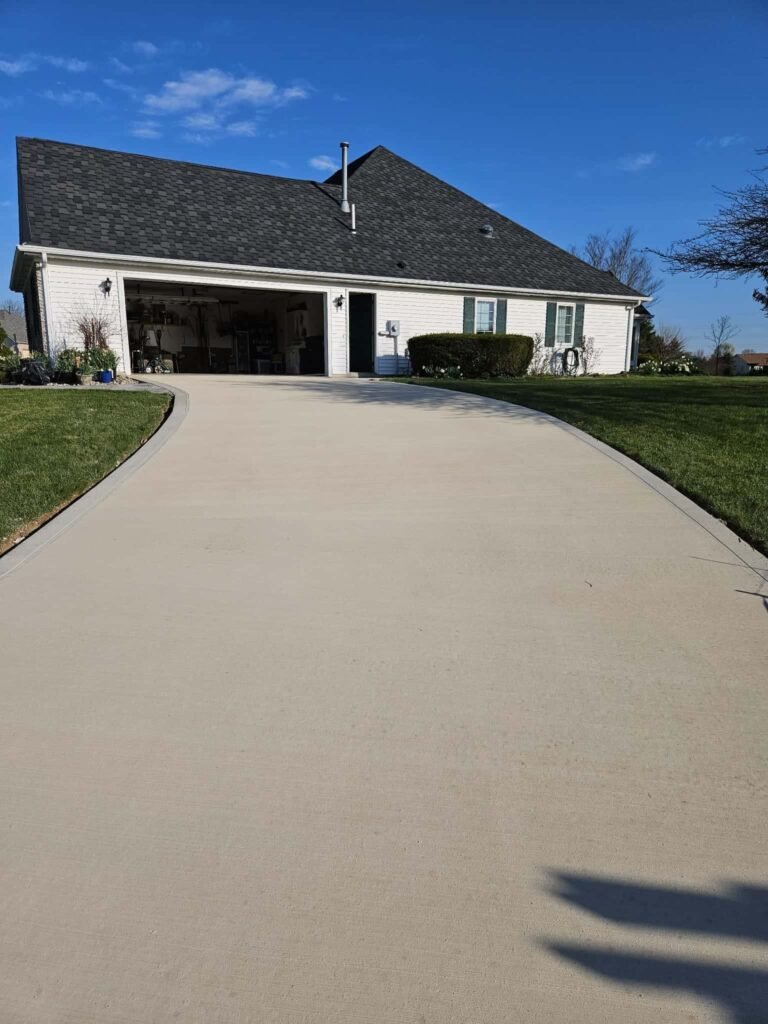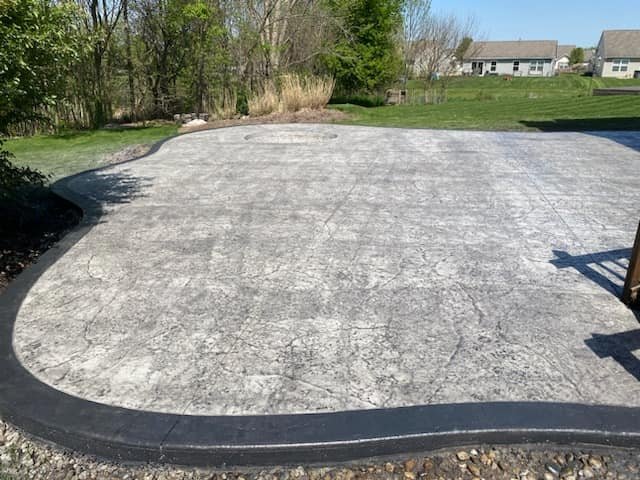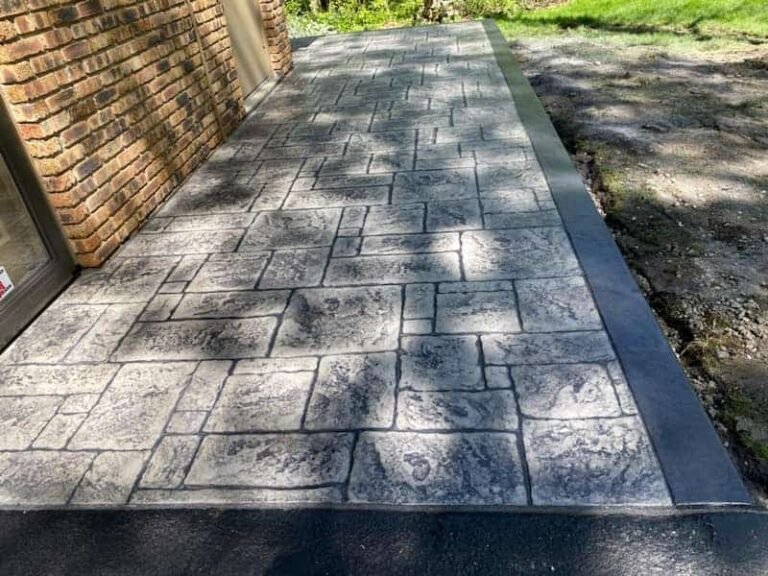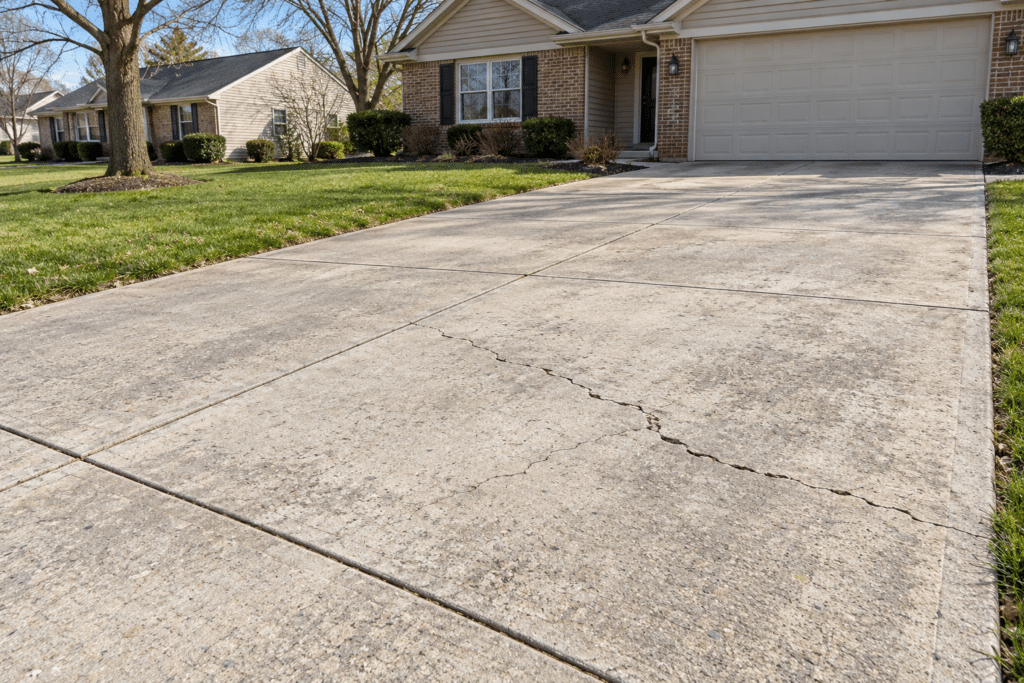
Concrete cracks. All of it, everywhere, eventually. That fact catches homeowners off guard, because a driveway feels like it should be permanent, and the first thin line across a new slab feels like something went wrong.
Usually it did not. Concrete shrinks as it cures, then expands and contracts with temperature for the rest of its life. The industry works from a blunt premise: cracking is not a defect to eliminate but a force to direct. Good work decides where cracks go and keeps them tight enough to stay harmless.
What matters is knowing which cracks are harmless and which ones are the slab telling you something. That line matters more in Indiana than in milder states. Fort Wayne and the surrounding counties run through roughly 90 to 100 freeze-thaw cycles a year, sit on clay that swells and shrinks seasonally, and get salted every winter.
This guide sorts the normal cracks from the warning signs and explains what causes each. It also covers what actually prevents them on your next pour.
Which Cracks Matter and Which Ones Do Not
Most homeowners cannot tell a cosmetic crack from a structural one. The difference comes down to width, movement, and pattern rather than length.

Cracks That Are Normal
These show up on healthy slabs and rarely need more than a seal. They come from curing or ordinary seasonal movement.
- Hairline cracks thinner than a credit card edge, about 1/8 inch or less
- Fine random cracking that appeared within days of the pour
- Straight cracks following a control joint, meaning the joint did its job

Cracks That Signal Trouble
These point to movement underneath or pressure the slab was not built for. They warrant a professional look, not a tube of sealant.
- Any crack wider than 1/4 inch, or one that widened over a season
- A height difference across the crack, where one side sits lower
- Horizontal cracks in a basement or retaining wall, meaning soil pressure
- Cracks that leak, or reopen every spring after being filled
What Causes Concrete to Crack in Indiana
Four forces cause nearly every crack on local driveways and patios. Knowing which one is at work tells you whether a repair will hold.
Freeze-Thaw and Road Salt
Water enters through pores and existing cracks, then expands as it freezes. Repeat that dozens of times a winter and the concrete fatigues from the inside.
- Water expands about 9 percent when it freezes, widening any void it fills
- Deicing salt pulls more water in and drives more cycles per winter
- Air entrainment is the defense; slabs poured without it fail here first
Clay Soil Movement
Allen County sits largely on Blount and Pewamo silt loam, clay soils that act like a sponge. They swell when wet and shrink when dry, and the slab rides that movement.
- Wet springs lift sections of slab, and dry Augusts let them settle back
- Uneven moisture across a lot means uneven movement and diagonal cracking
- Downspouts emptying beside a slab concentrate swelling in one spot
Weak or Uncompacted Base
The slab is only as stable as what sits under it. A settling base leaves concrete spanning a void, and the cracks it makes run wide, uneven, and worsen over time.
- Loose or organic fill left in the excavation compresses under load
- Gravel spread without mechanical compaction settles within a few seasons
- A wetter mix placed for easy finishing shrinks more and cracks more
Missing or Late Control Joints
Control joints are the saw cuts in a driveway, and they decide where cracks go. Cut correctly, the slab cracks below the joint where nobody sees it.
- Cut about one quarter of the slab depth
- Spaced 24 to 30 times the thickness, so 8 to 10 feet on a 4 inch driveway
- Cut within 6 to 18 hours, or the slab cracks on its own terms first
- Benchmarks come from the American Concrete Institute
How to Prevent Cracks on Your Next Pour
Prevention happens before the truck arrives and in the week after it leaves. The pour itself is the shortest part of the process.
Before the Pour
Site work decides the outcome more than the concrete does. Confirm these items with any contractor bidding your project.
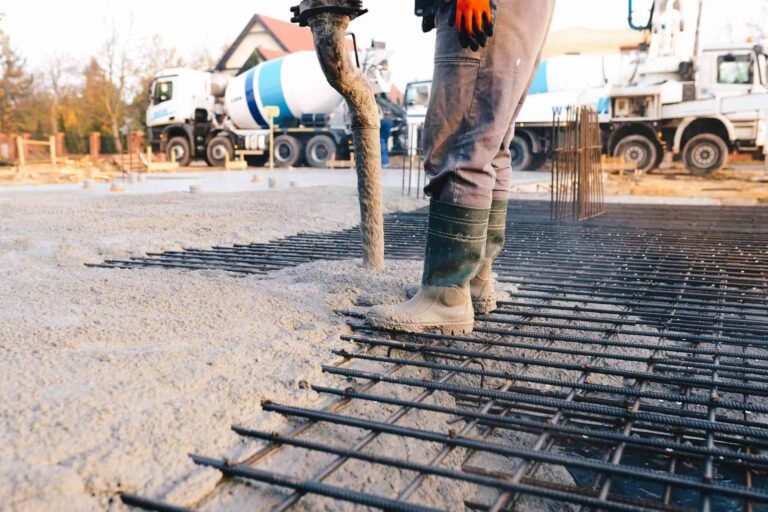
- Excavate to full depth and remove organic and loose material
- Install and mechanically compact a proper stone base
- Confirm the mix is air-entrained at 5 to 7 percent for exterior slabs
- Specify 4,000 PSI or better for driveways carrying vehicles
After the Pour
Curing is where a good slab is finished or quietly ruined. Concrete needs moisture and moderate temperature through its first week.
- Keep the surface moist with curing compound, wet burlap, or plastic
- Keep vehicles off at least 7 days, heavier loads for 28
- Wait 30 days before sealing, then reseal every 2 to 3 years
- Direct downspouts away and keep grading sloped away from the slab
Sealing is the one maintenance item homeowners fully control. The Portland Cement Association ties durability to keeping water out of the pore structure, which is what a penetrating sealer does before winter.
When a Crack Means Repair and When It Means Replacement
A single tight crack in a sound slab is a sealing job. The math changes when cracking is widespread or the base has failed.
- Repair fits isolated cracks, minor flaking, and a sound base underneath
- Replacement fits slab-wide cracking, shifted sections, or a settled base
- Cost breaks the tie: once repairs near half of replacement, replacement wins
Our guide on whether to repair or replace a driveway walks through that call, and how long a concrete driveway lasts covers realistic lifespan here. For cracks already spreading, concrete repair in Fort Wayne is where to start.
Frequently Asked Questions
Is it normal for new concrete to crack within the first year?
Thin shrinkage cracks in the first year are common and usually harmless. Concrete loses volume as it cures, and that movement has to go somewhere. What is not normal is a crack you can fit a coin into, one with a height difference across it, or one that keeps growing month over month. Those point to a base or drainage problem rather than curing.
Can you stop a concrete crack from getting bigger?
Sometimes, depending on what is driving it. Sealing keeps water and salt out, which slows freeze-thaw damage and buys years on a stable slab. If the crack comes from soil movement or a failing base, sealing treats the symptom while the cause keeps working. Fixing drainage and grading matters more than the filler you choose.
Does rebar stop concrete from cracking?
No, which surprises people who paid extra for it. Reinforcement does not prevent cracks from forming. It holds the two sides together once one does, keeping the crack tight and the slab sound, so a reinforced driveway still cracks but stays hairline instead of spreading into displaced sections.
Get a Straight Answer on the Crack in Your Concrete
Photos and guides go only so far, because the same looking crack can be a five minute seal or a sign the base is gone. Someone standing on the slab tells the difference.
Crystal Creek Concrete has worked driveways, patios, and slabs across Fort Wayne and the surrounding counties for over 17 years. Call or text (260) 241-4936 or request a free estimate online. We will tell you honestly whether it needs a seal or a rebuild, and price only the work actually needed.