Winter in Fort Wayne brings snow, ice, and freezing temperatures that make deicing products almost unavoidable. Many homeowners wonder, does salt damage concrete, or is it safe to spread it across the driveway every time a storm rolls in? The answer is a little more complicated than a simple yes or no. While salt doesn’t instantly ruin concrete, repeated exposure combined with Indiana’s freeze-thaw cycles can shorten the life of your driveway and lead to costly repairs.
Understanding how salt affects concrete can help you make better choices during winter and protect your investment for years to come. In this guide, we’ll explain why deicing products cause problems, how to spot early signs of damage, and what you can do to keep your concrete driveway in excellent condition through every Fort Wayne winter.
Why Deicing Salt Is Hard on Concrete
Many people assume salt itself eats away at concrete, but that’s not exactly what happens. Instead, salt damage to concrete is usually the result of a chemical reaction combined with repeated freezing and thawing.
Concrete naturally contains tiny pores that absorb moisture. When temperatures drop below freezing, that trapped water expands as it turns to ice. As the ice melts and refreezes again, pressure builds inside the concrete, creating small cracks that gradually grow larger.
Deicing salts make this process even more severe by allowing water to freeze and thaw more frequently instead of remaining frozen. Throughout a typical Fort Wayne winter, a driveway may go through dozens of these cycles.
Other factors can increase the risk, including:
- Older concrete with worn surfaces
- Poor drainage that allows standing water
- Concrete that wasn’t properly air-entrained during installation
- Heavy vehicle traffic during winter
- Repeated applications of deicing products throughout the season
If your driveway already has minor cracks or surface wear, winter salt can speed up the deterioration.
What Does Salt Do to Concrete?
Many homeowners ask, what does salt do to concrete if it isn’t actually dissolving it?
Salt lowers the freezing point of water, allowing snow and ice to melt even when temperatures remain below freezing. While this improves traction, it also keeps moisture moving in and out of the concrete instead of allowing it to stay frozen.
That repeated movement creates internal pressure that can lead to:
- Surface scaling
- Small chips
- Flaking
- Pop-outs
- Expansion of existing cracks
Newly poured concrete is especially vulnerable. Most contractors recommend avoiding deicing salts during the first winter because concrete continues gaining strength for many months after installation.
Does Rock Salt Damage Concrete?
If you’re wondering, does rock salt damage concrete more than other deicing products, the answer is yes, but not for the reason many homeowners assume.
Rock salt, also known as sodium chloride, is one of the most affordable and widely used deicers. It works well when temperatures stay above about 15°F, making it a common choice for driveways and sidewalks throughout Northeast Indiana.
Rather than eating away at the concrete itself, rock salt accelerates freeze-thaw cycles by repeatedly melting and refreezing moisture within the surface. Over time, this process can lead to scaling, flaking, and the expansion of existing cracks, especially in older concrete or driveways with poor drainage.
Although rock salt often gets the blame for winter driveway damage, it’s usually only part of the equation. The age of the concrete, how well it was installed, drainage conditions, and Indiana’s frequent temperature swings all play a significant role in how well a driveway holds up over time.
Why Fort Wayne Winters Can Be Especially Tough
Concrete driveways throughout Fort Wayne experience unique winter conditions that make proper maintenance especially important.
Unlike areas that stay consistently cold, Northeast Indiana often sees temperatures fluctuate above and below freezing several times within the same week. Those rapid temperature swings create ideal conditions for freeze-thaw damage.
Snowfall, freezing rain, and melting snow also introduce large amounts of moisture into the concrete throughout the season.
If your driveway receives afternoon sunlight before temperatures plunge overnight, moisture repeatedly melts and freezes, placing additional stress on the surface.
For homeowners investing in a driveway replacement, understanding these seasonal conditions can help maximize the life of the concrete from the very beginning. Crystal Creek Concrete designs driveways using quality materials and proper installation techniques suited for Fort Wayne’s climate.
Rock Salt vs. Other Ice Melt Products: What’s Actually Safe?
Not every ice melt product affects concrete the same way. Some work better in extremely cold temperatures, while others are gentler on newer concrete, pets, or landscaping.
Before choosing a deicer, it helps to understand the advantages and drawbacks of each option.
| Product | Effective Temperature | Concrete Impact | Best Use |
| Rock Salt (Sodium Chloride) | Above 15°F | Moderate risk of freeze-thaw damage | General winter conditions |
| Calcium Chloride | Below -20°F | Less freeze-thaw cycling but may affect fresh concrete | Extreme cold |
| Magnesium Chloride | Around 5°F | Generally gentler on concrete | Residential driveways |
| Calcium Magnesium Acetate (CMA) | Around 20°F | Lowest impact on concrete | High-value concrete surfaces |
| Sand | Any temperature | No chemical damage | Improves traction only |
No deicer completely eliminates the possibility of winter damage. Even products considered “concrete safe” should be applied sparingly and according to manufacturer recommendations.
The best approach often combines prompt snow removal with moderate deicer use instead of relying heavily on chemicals after every snowfall.
After selecting an appropriate ice melt product, rinsing away leftover residue once temperatures rise above freezing can further reduce long-term exposure.
Signs Your Driveway Already Has Salt Damage
Salt-related deterioration usually develops gradually rather than overnight. Catching the warning signs early may allow you to address minor issues before they become major repairs.
Some symptoms are purely cosmetic, while others indicate structural concerns beneath the surface.
Surface Scaling
Surface scaling is one of the earliest indicators of winter damage.
Instead of appearing smooth, the top layer begins peeling away in thin flakes or patches. The surface may feel rough or uneven underfoot.
Scaling often begins after several winters of repeated freeze-thaw exposure and becomes more noticeable each season.
If only small areas are affected, professional concrete repair may restore the surface before the damage spreads further.
Flaking and Spalling
As deterioration progresses, larger pieces of concrete can begin breaking away.
This process, known as spalling, leaves shallow pits across the driveway and exposes stronger aggregate beneath the surface.
Common contributing factors include:
- Heavy salt use
- Water infiltration
- Poor drainage
- Frequent freeze-thaw cycles
- Older concrete nearing the end of its lifespan
Once spalling becomes widespread, repairs become more challenging because the damage extends beyond the surface layer.
Cracks That Continue Growing
Not every crack is caused by winter salt, but salt often accelerates existing problems.
Small hairline cracks can gradually widen as moisture enters, freezes, and expands year after year.
The following table can help homeowners distinguish between common warning signs.
Before deciding whether repairs are needed, it’s helpful to understand which symptoms typically require monitoring and which deserve professional evaluation.
| Warning Sign | What It May Mean | Recommended Action |
| Hairline cracks | Normal settling or early freeze-thaw damage | Monitor and seal if needed |
| Surface scaling | Early salt deterioration | Schedule an inspection |
| Flaking or spalling | Advanced surface damage | Professional repair evaluation |
| Large cracks with uneven sections | Structural movement | Consider repair or replacement consultation |
| Pooling water | Drainage issues accelerating damage | Correct drainage before winter |
Small issues rarely stay small during Indiana winters. Addressing them before another freeze-thaw season can help extend the life of your driveway and reduce the likelihood of needing a full replacement.
How to Protect a New or Existing Concrete Driveway This Winter
Preventing winter damage starts long before the first snowfall. A few simple maintenance habits can reduce the effects of freeze-thaw cycles and limit the amount of salt your driveway is exposed to each season.
If you’ve ever wondered, can you put salt on concrete driveway surfaces, the answer is yes, but moderation matters. Using excessive amounts of deicer or applying it too early can increase the risk of long-term wear, especially on newer concrete.
The following steps can help protect your investment throughout the winter.
Keep the Surface Clean
Remove snow as soon as possible after each storm instead of waiting for it to become packed ice.
A plastic snow shovel is less likely to scratch decorative finishes than a metal blade, and clearing snow early reduces the amount of deicer you’ll need later.
If you’re using a snowblower, make sure the skid shoes are adjusted properly so they don’t scrape the concrete surface.
Apply Deicer Sparingly
More salt doesn’t necessarily melt ice faster.
Spread a thin, even layer only where traction is needed. Overapplication leaves excess salt behind that continues interacting with moisture even after the ice has melted.
Whenever temperatures rise above freezing, rinse remaining salt residue from the driveway if practical.
Seal Your Concrete
One of the most effective ways to protect concrete from salt is with a quality concrete sealer.
Sealers reduce water absorption, making it harder for moisture and dissolved salts to penetrate the surface. While sealers don’t make concrete waterproof, they provide an extra layer of defense against winter conditions.
Most residential driveways benefit from resealing every few years, although the exact schedule depends on traffic, weather exposure, and the type of sealer used.
If you’re investing in a new driveway, discussing long-term maintenance with your contractor can help you establish an appropriate sealing schedule from the start.
Improve Drainage Around the Driveway
Standing water is one of concrete’s biggest enemies during winter.
Make sure water flows away from the driveway instead of collecting in low spots. Cleaning gutters, extending downspouts, and maintaining proper grading can all reduce moisture exposure.
If water regularly pools in the same location, addressing the drainage issue may prevent future deterioration more effectively than changing deicing products alone.
Winter Driveway Maintenance Checklist
Rather than relying on a single solution, combine several preventative measures throughout the season.
| Maintenance Task | Recommended Timing | Why It Helps |
| Remove snow promptly | After every snowfall | Reduces ice buildup |
| Apply deicer sparingly | Only when needed | Minimizes salt exposure |
| Rinse salt residue | During warmer winter days | Removes leftover chemicals |
| Seal concrete | Every few years | Reduces moisture absorption |
| Inspect for cracks | Fall and spring | Prevents water intrusion |
Following these habits each winter can significantly extend the life of your driveway while reducing repair costs over time.
What to Do If Salt Damage Has Already Happened
Even well-maintained driveways eventually show signs of wear. The good news is that not every damaged surface requires replacement.
The right solution depends on how extensive the deterioration has become.
Minor Surface Damage
Light scaling or small surface chips can often be addressed before they worsen.
A contractor may recommend:
- Cleaning the affected area
- Sealing small cracks
- Applying a concrete resurfacer
- Replacing isolated damaged sections
Addressing these issues early prevents moisture from reaching deeper into the slab.
Moderate Deterioration
As damage spreads, more extensive repairs may be necessary.
This may include:
- Larger crack repairs
- Partial slab replacement
- Surface restoration
- Drainage improvements to prevent recurring problems
If the underlying concrete remains structurally sound, repairs can often add years of additional service life.
Salt Damage to Concrete Repair
Homeowners searching for salt damage to concrete repair often assume any visible deterioration means their driveway has failed.
In reality, professional inspection is the best way to determine whether repairs are practical.
A contractor will evaluate:
- Crack depth
- Surface deterioration
- Drainage conditions
- Foundation stability
- Overall slab condition
Repairing damage before another winter arrives usually prevents additional freeze-thaw cycles from making the problem significantly worse.
When Salt Damage Means Repair vs. Replacement
There comes a point when repairs become less cost-effective than installing a new driveway.
Knowing the difference helps homeowners make informed decisions.
The following comparison outlines situations where repairs may be appropriate versus when replacement often provides the better long-term value.
| Condition | Repair May Be Enough | Replacement May Be Better |
| Hairline cracks | ✓ | |
| Minor scaling | ✓ | |
| Small isolated spalling | ✓ | |
| Widespread surface deterioration | ✓ | |
| Large uneven cracks | ✓ | |
| Multiple sinking sections | ✓ | |
| Aging driveway with recurring repairs | ✓ |
If damage is limited to the surface, repairs often restore appearance and functionality.
However, if the concrete has widespread structural issues or continues deteriorating after repeated repairs, replacing the driveway may save money over the long term.
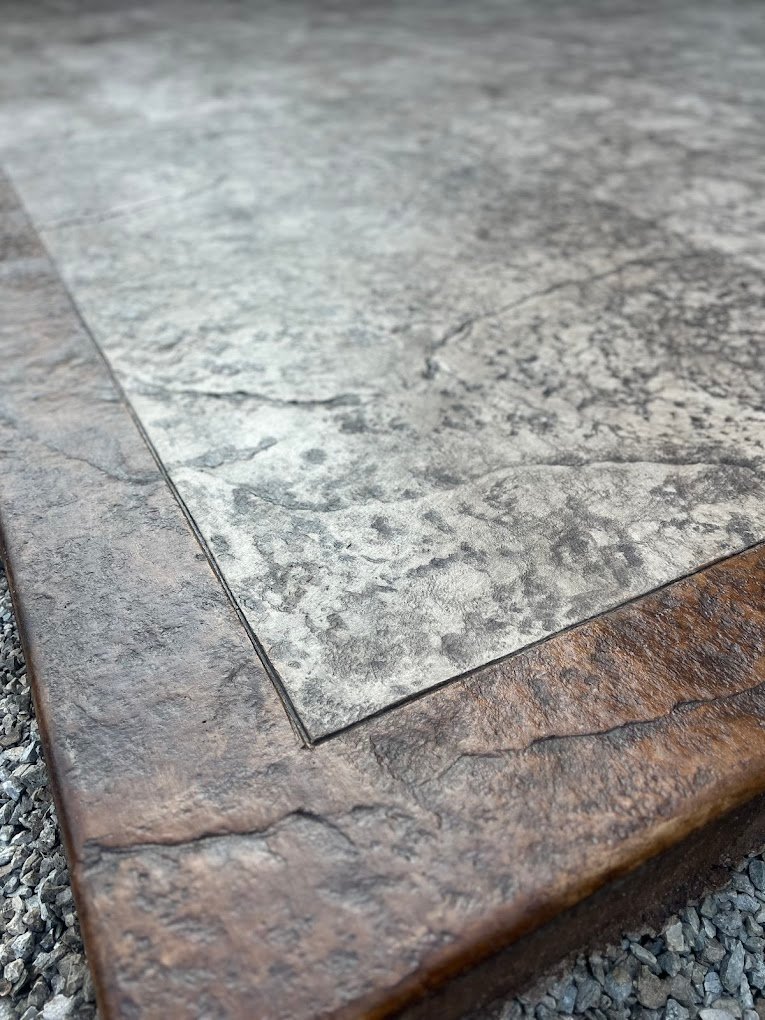
For homeowners replacing an older driveway, it’s also a good time to consider design upgrades. Decorative finishes, custom borders, or coordinating concrete features can improve curb appeal while creating a more cohesive look throughout the property’s outdoor spaces.
Protect Your Fort Wayne Driveway with Crystal Creek Concrete
If you’ve been asking, does salt damage concrete, the answer is that salt alone isn’t usually the problem. Combined with Fort Wayne’s repeated freeze-thaw cycles, however, deicing products can accelerate wear, especially on older or poorly maintained driveways.
Regular snow removal, responsible deicer use, routine sealing, and prompt repairs all help maintain your concrete. Recognizing early warning signs can also prevent small issues from turning into expensive structural damage.
Whether your driveway needs professional repairs or it’s time for a complete replacement, Crystal Creek Concrete provides durable residential concrete solutions designed for Northeast Indiana’s challenging winters. From new driveway installations to decorative concrete projects, their team can help you protect your investment and keep your property looking its best for years to come.