A concrete patio can make a backyard more useful, more comfortable, and easier to maintain. For many Fort Wayne homeowners, the goal is not just to pour a flat slab behind the house. The goal is to create an outdoor space that works for family meals, grilling, relaxing, entertaining, or connecting different areas of the yard.
The right patio design depends on how you plan to use the space, how much maintenance you want, how the patio connects to your home, and how the surface will handle Indiana weather over time.
This guide covers practical concrete patio ideas, finish options, cost factors, planning mistakes to avoid, and maintenance tips so you can make a better decision before starting your project.
Why Concrete Patios Are a Popular Choice for Fort Wayne Homes
Concrete is one of the most practical materials for residential patios because it offers a strong, stable surface with several design options. It can be finished simply for a clean backyard surface or upgraded with color, texture, borders, and stamped patterns for a more custom look.
For homeowners in Fort Wayne and nearby areas, concrete also makes sense because outdoor surfaces need to handle seasonal weather changes. A properly installed patio should account for drainage, freeze-thaw conditions, soil movement, and long-term use.
Concrete patios are commonly used for:
- Backyard seating areas
- Outdoor dining spaces
- Grill stations
- Fire pit areas
- Walkout patios
- Poolside or garden seating
- Patio extensions off existing concrete
If you are planning a new outdoor space, working with a contractor experienced in concrete patios in Fort Wayne can help make sure the patio is designed for both appearance and long-term performance.
Concrete Patio Ideas Based on How You Use the Space
The best patio design starts with function. Before choosing a finish or color, think about how the space will actually be used.
Outdoor Dining Patio

An outdoor dining patio should have enough space for a table, chairs, and walking room around the furniture. Many homeowners underestimate how much room is needed once chairs are pulled out.
For a comfortable dining area, plan for at least 10 by 10 feet for a smaller table. Larger tables or outdoor kitchens may need more space.
A broom finish, light texture, or stamped concrete can all work well for dining areas. The main priority is a level, stable surface that is easy to clean.
Fire Pit Patio

A fire pit area works best when the patio has enough room for seating around the fire without feeling crowded.
Concrete is a good choice because it creates a solid and even surface for chairs. If you are planning a built-in fire feature, the patio may need additional planning for layout, weight, and spacing.
Stamped concrete is often used for fire pit patios because it creates a more finished look without the maintenance concerns of loose stone or shifting pavers.
Grill and Outdoor Cooking Area

A grill area needs space for cooking, prep, and safe movement. The patio should be designed so smoke and heat are positioned away from doors, windows, and tight seating areas.
Concrete works well around grills because it is easy to clean and can handle regular use. If grease or food spills are likely, sealing may be worth considering, especially for decorative finishes.
Small Backyard Patio

A smaller yard does not mean you need a basic patio. In fact, smaller patios often benefit from thoughtful design because every square foot matters.
Good options for small patios include:
- Simple square or rectangular layouts
- Light broom finish for a clean look
- Border accents for definition
- Stamped texture to add visual interest
- Curved edges to soften the layout
A smaller patio can still feel intentional when the shape and finish match the home.
Patio Extension

Many homes already have a small concrete pad outside the back door. A patio extension can create more usable space without redesigning the entire backyard.
Before extending an existing patio, a contractor should evaluate the condition, height, drainage, and connection point. If the old slab is cracked, uneven, or draining poorly, it may be better to replace the full area rather than add new concrete beside a failing surface.
Best Concrete Patio Finishes for Residential Properties
The finish affects appearance, traction, maintenance, and cost. Choosing the right finish matters because a patio needs to look good while remaining practical for everyday use.
Broom Finish Concrete Patio
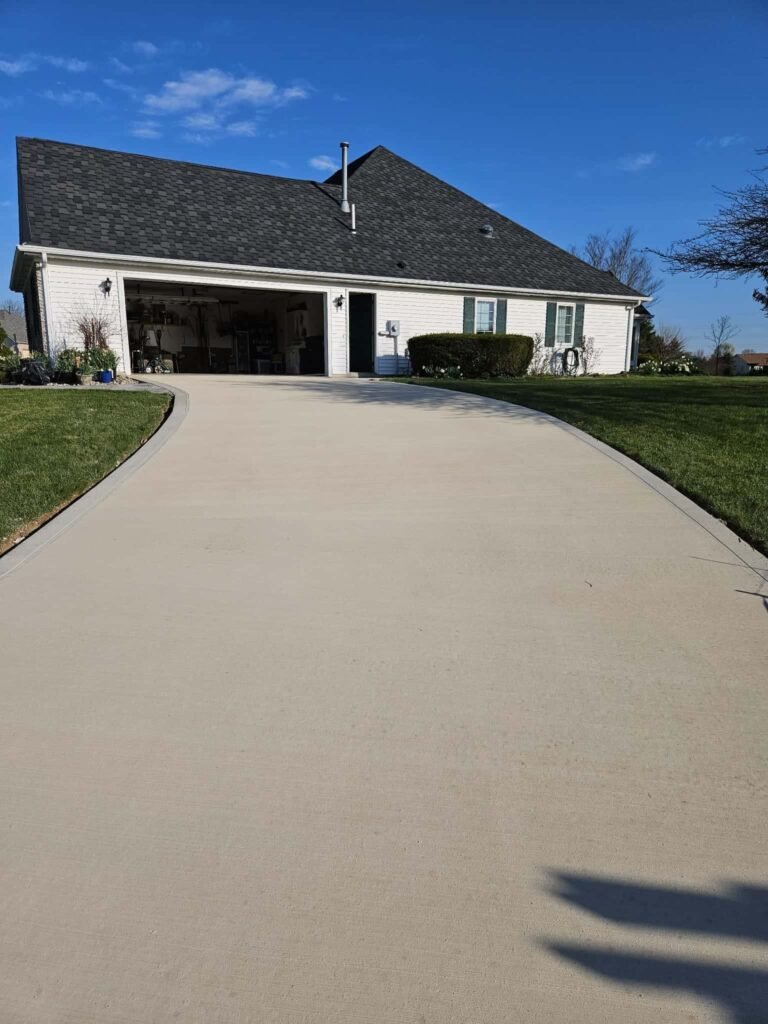
A broom finish is one of the most common concrete patio finishes. After the concrete is placed and leveled, a broom is pulled across the surface to create light texture.
This finish is popular because it is:
- Practical
- Cost-effective
- Slip-resistant
- Easy to maintain
- Clean and simple in appearance
A broom finish is a good option for homeowners who want a durable patio without decorative upgrades.
Smooth Finish Concrete Patio
A smooth finish creates a cleaner and more refined surface, but it may not be ideal for every outdoor patio. Smooth concrete can become slippery when wet, especially if it is not textured properly.
For outdoor use, most homeowners are better served by a lightly textured finish rather than a fully smooth surface.
Stamped Concrete Patio
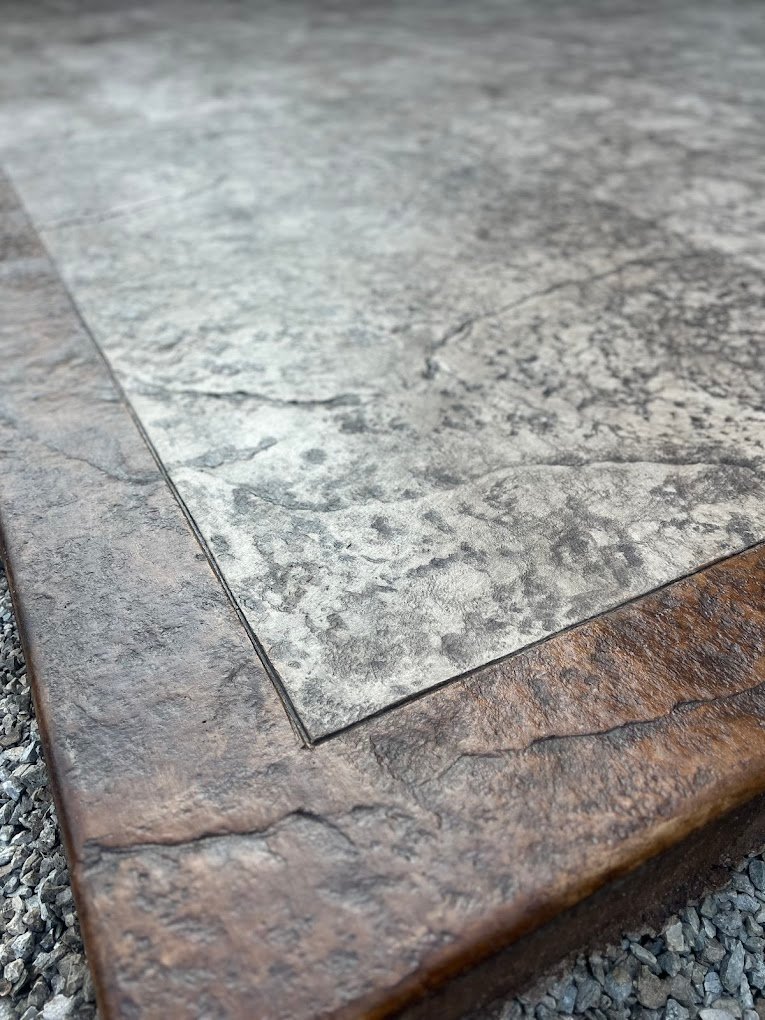
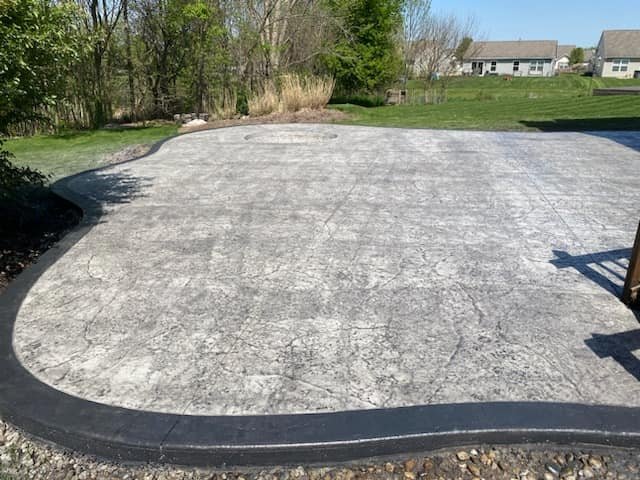
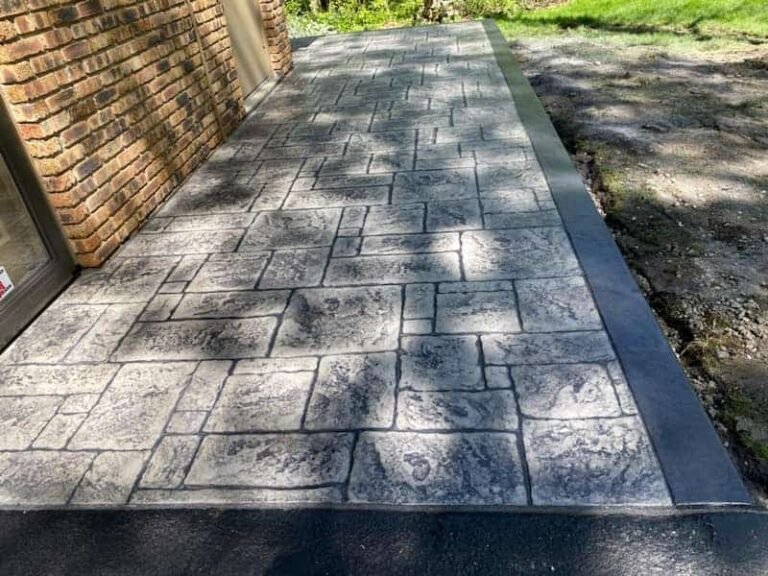
Stamped concrete is designed to resemble stone, slate, brick, wood plank, or other materials. It gives homeowners a more decorative look while still using poured concrete as the base surface.
Stamped patios are popular for outdoor living areas because they can create the look of a higher-end backyard without using individual pavers or natural stone.
Homeowners who want a more custom backyard design often choose stamped concrete in Fort Wayne for patios, walkways, and outdoor seating areas.
Colored Concrete Patio
Color can be added to concrete to create a warmer or more natural appearance. Common color choices include tan, brown, charcoal, gray, and earth-toned shades.
Colored concrete works well with stamped finishes, borders, and decorative patio designs. The color should be chosen carefully so it complements the home, landscaping, and other exterior surfaces.
Exposed Aggregate Patio
Exposed aggregate reveals the small stones within the concrete surface. It creates texture, grip, and visual interest.
This finish can work well for patios, but homeowners should consider comfort. Heavier aggregate texture may feel rough under bare feet, so it may not be ideal for every seating or poolside area.
Concrete Patio Cost Factors
Concrete patio cost depends on more than square footage. The final price is affected by the site, finish, design complexity, and preparation required before the pour.
Typical Concrete Patio Cost Ranges

These ranges are general estimates. A patio with easy access and simple grading usually costs less than a patio that requires demolition, drainage corrections, or custom decorative work.
What Increases Patio Cost?
The most common cost drivers include:
- Removing an old patio
- Poor soil or unstable base conditions
- Drainage corrections
- Stamped patterns or multiple colors
- Custom borders
- Limited access to the backyard
- Larger thickness requirements for heavy features
A lower price is not always better if it means the base preparation, drainage, or finish quality is compromised.
How Patio Size Affects Design and Budget
The size of the patio should match how you plan to use the space. A patio that is too small may feel crowded. A patio that is too large can increase cost without improving function.
Common Patio Sizes

A well-sized patio should allow room for furniture, movement, and future use. If you plan to add a pergola, fire pit, grill station, or outdoor kitchen later, it is better to account for that during the design stage.
Thickness and Base Preparation
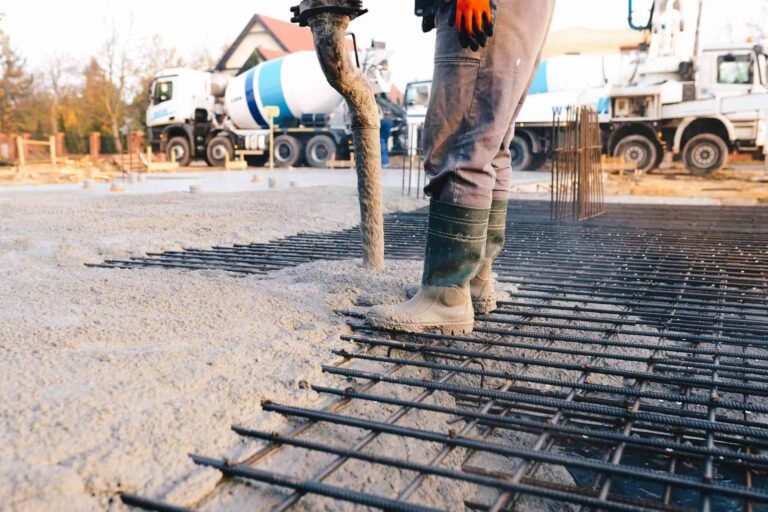
Most residential concrete patios are installed at 4 inches thick. However, thickness alone does not guarantee performance. The base underneath the concrete plays a major role in how well the patio holds up.
Patio Thickness Guidelines

A strong patio starts with proper excavation, compacted base material, and correct grading. If the soil is soft or poorly compacted, the patio may settle or crack earlier than expected.
Concrete Patio Shapes and Layout Options
The shape of the patio should work with the home and yard. Some homeowners choose a simple rectangle, while others prefer curved or multi-section layouts.
Rectangular Patio
A rectangular patio is clean, practical, and usually more cost-effective. It works well for dining sets, outdoor sofas, and grill areas.
Curved Patio
Curved edges create a softer look and can help the patio blend into landscaping. Curves may add labor cost, but they can make the space feel more natural.
Multi-Zone Patio
A multi-zone patio separates the space into different uses, such as dining, lounging, and cooking.
This layout works well for larger backyards or homeowners who entertain often.
Walkout Patio
A walkout patio connects directly to a back door, sliding door, or basement exit. The height, steps, and slope need to be planned carefully for safe and comfortable access.
Stamped Concrete Patio Design Ideas
Stamped concrete gives homeowners more room to customize the patio. The right pattern and color can make the patio feel more connected to the rest of the property.
Popular Patterns
Common stamped patio patterns include:
- Ashlar slate
- Random stone
- Flagstone
- Brick
- Wood plank
- Seamless stone texture
Natural-looking patterns tend to age well because they do not feel overly trendy.
Popular Colors
For Fort Wayne homes, neutral and earth-toned colors often work best. These include:
- Light gray
- Charcoal
- Sandstone
- Brown
- Tan
- Soft beige
The goal is to complement the home, not compete with it.
Borders and Accent Bands
Borders can make a stamped patio look more finished. A darker border around a lighter patio can create contrast and definition.
Borders are especially useful for:
- Large patios
- Curved patios
- Fire pit areas
- Walkways connected to patios
Concrete Patio Maintenance Tips
Concrete patios are relatively easy to maintain, but regular care helps preserve the surface.
Basic Maintenance
- Sweep or rinse the patio as needed
- Clean spills before they stain
- Avoid harsh chemicals when possible
- Keep nearby landscaping from trapping moisture
- Repair small cracks before they grow
Sealing Decorative Concrete
Stamped and colored concrete usually benefits from sealing. Sealers help protect the color, reduce staining, and preserve the finish. Most decorative patios need resealing every few years, depending on weather exposure and use.
Best Time to Install a Concrete Patio in Fort Wayne
Concrete patio projects are often planned during spring, summer, and early fall. Weather conditions matter because concrete needs proper placement and curing conditions.
Homeowners should also consider contractor scheduling. Patio projects often book up quickly during warmer months, especially when homeowners are preparing outdoor spaces for summer use.
Planning early gives you more time to finalize design, choose finishes, and schedule the project before peak season fills up.
Frequently Asked Questions About Concrete Patios
How Long Does a Concrete Patio Last?
A properly installed concrete patio can last 25 years or more. Lifespan depends on base preparation, drainage, thickness, finish, and maintenance.
Is Stamped Concrete Good for Patios?
Yes, stamped concrete is a good option for patios when homeowners want a more decorative surface. It offers the look of stone, slate, brick, or wood while keeping the strength of concrete.
How Thick Should a Concrete Patio Be?
Most residential patios are 4 inches thick. Heavier features such as outdoor kitchens or built-in structures may require additional thickness or reinforcement.
Does a Concrete Patio Need to Be Sealed?
Standard broom-finished concrete may not always need sealing, but stamped or colored concrete usually benefits from it. Sealing helps protect color, reduce staining, and maintain appearance.
Can You Add a Concrete Patio to an Existing Patio?
Yes, but the existing patio should be evaluated first. The contractor should check height, condition, drainage, and whether the old concrete is stable enough to connect with the new section.
Is Concrete Cheaper Than Pavers?
Concrete is often more affordable than pavers, especially for larger patios. Decorative stamped concrete can cost more than basic concrete but may still be less expensive than many paver installations.
Will a Concrete Patio Crack?
Concrete can crack over time, but proper base preparation, control joints, drainage, and installation practices help reduce and manage cracking.
Final Thoughts
A concrete patio can be one of the most useful upgrades for a Fort Wayne home when it is planned correctly. The best results come from choosing the right size, finish, layout, and installation approach for how you want to use the space.
Before starting your project, think beyond the surface. Consider drainage, base preparation, furniture layout, future features, maintenance, and how the patio connects to your home.
Crystal Creek Concrete helps homeowners design and install patios built for everyday use, clean appearance, and long-term performance. If you are planning a new patio or replacing an old one, contact Crystal Creek Concrete to discuss your project and request an estimate.