A new concrete driveway can look finished long before it is ready for vehicle traffic. If you are looking for how long concrete takes to cure before driving on it, a safe rule for most homeowners is to wait at least 7 days before driving on new concrete. Concrete driveway cure time depends on temperature, mix, slab thickness, and curing methods, so timing varies, but one week is a common minimum for passenger vehicles.
It also helps to know that concrete does not just dry like paint. Cement driveway drying time and cement hardening time are not the same thing. Concrete gains strength through a chemical reaction called hydration, and that process continues for weeks. Below is a practical timeline for when you can drive on new concrete, what affects cure time for a concrete driveway, and how Fort Wayne, Indiana weather can change the schedule.
How Long Should You Wait Before Driving on New Concrete?
For many standard residential driveways, a good rule is to wait:
- At least 7 days before driving on it with a typical car or small SUV
- Longer for heavier vehicles, trailers, or delivery trucks
- Up to 28 days for full design strength
Some concrete may feel firm within a day or two, but it is still vulnerable to tire pressure and turning forces. Waiting the right amount of time reduces the risk of tire marks, surface damage, and long-term cracking.
Concrete Driveway Curing Time: A Day-by-Day Timeline
Concrete cure time for driveway slabs is a gradual strength gain. The timeline below explains what is happening during each stage.
The First 24 to 48 Hours
During the first two days, concrete is still very vulnerable. It may look set on the surface, but the slab hasn’t developed enough strength to support weight or pressure.
What to expect:
- Foot traffic may be allowed after about 24 hours in many cases, depending on conditions
- Keep vehicles off completely
- Protect the surface from rain, pets, and anything that can leave marks
- Avoid dragging items across the slab
Curing practices matter most here because moisture loss can weaken the surface.
Days 3 to 7
This is when many homeowners ask, “When can I drive on the concrete?” because the surface looks finished. Strength is building quickly, but the slab is still not at full strength.
What to expect:
- Concrete continues gaining strength each day
- Light foot traffic is usually fine
- Vehicle traffic is still risky until you reach the recommended minimum wait time
If you are deciding how long to wait before driving on new concrete, this is the window where waiting a little longer often prevents expensive damage.
Days 7 to 10
For many residential driveways, this is the safer window for passenger vehicles. By this point, the concrete has gained significant strength, especially if the weather has been mild and curing was done correctly.
What to expect:
- Many driveways can handle normal cars after 7 days
- Avoid heavy trucks, dumpsters, and moving vans
- Turn the steering wheel gently and avoid sharp turns while stopped, because that can scuff the surface
After 28 Days
At about 28 days, concrete typically reaches its full design strength. Cement hardening time continues beyond that, but the 28-day mark is the standard reference point.
What to expect:
- The driveway is generally ready for normal use, including heavier vehicles, depending on thickness and reinforcement
- Sealing may be recommended after the concrete has cured enough, based on the product and contractor guidance
Can You Drive on Concrete After 5 Days?
Many homeowners ask whether I can drive on concrete after 5 days. In some situations, it might hold a passenger vehicle, but it is not the safest recommendation.
Five days is often too soon when:
- Temperatures have been cool
- The slab dried out too quickly
- The driveway is thicker or includes areas that cure slower
- You have a heavier vehicle
For the best chance of avoiding tire marks and surface damage, waiting at least 7 days is the safer approach for most driveways.
Concrete Curing vs. Drying: What’s the Difference?
When people ask when concrete dries, they usually mean when it feels dry to the touch. Drying is the loss of moisture from the surface. Curing is the chemical process where cement reacts with water and gains strength.
Here is the simple difference:
- Drying affects appearance and surface feel
- Curing affects strength and long-term durability
Concrete can look dry within hours, but it can still be weak underneath. That is why concrete driveway cure time matters more than cement driveway drying time when you are deciding when to drive on it.
What Affects Concrete Driveway Cure Time?
Several factors influence concrete curing. Two driveways poured on the same day can have different timelines depending on how they were installed and what conditions they were exposed to.
Temperature and Seasonal Weather
Temperature has a major impact on cement hardening time:
- Warm weather helps concrete cure faster
- Cooler weather slows the chemical reaction
- Hot, dry weather can cause the surface to dry too quickly if curing is not managed properly
The Concrete Mix and Added Water
The concrete mix design affects strength gain:
- Adding extra water can make concrete easier to place
- Too much water can weaken the surface and increase the risk of scaling and cracking
- A properly designed mix helps the driveway cure more predictably
Driveway Thickness and Vehicle Weight
Thickness and weight both affect how soon you can use the driveway:
- Thicker slabs take longer to cure through the full depth
- Heavier vehicles put more stress on the surface
- Even if a driveway can handle a car after a week, it may not be ready for moving trucks, dumpsters, or large delivery vehicles
Moisture Retention and Curing Methods
Concrete cures best when it retains moisture:
- Curing compounds can slow moisture loss
- Plastic sheeting can help retain moisture in certain conditions
- Wet curing methods may be used depending on the project and weather
Proper curing helps reduce surface defects and improves long-term durability.
How Fort Wayne Weather Affects Concrete Curing
Fort Wayne, Indiana weather can change quickly, and seasonal conditions can affect concrete driveway curing time:
- Spring and fall pours may cure slower because nights are cooler
- Summer pours may cure faster, but can dry out too quickly in sun and wind
- Freeze-thaw cycles make proper curing important for long-term durability
If your driveway is poured during a cooler stretch, your contractor may recommend waiting longer before driving on it, even if the surface looks ready.
What Happens If You Drive on Concrete Too Soon?
Driving on new concrete too early can cause damage that is not always obvious right away. Even if the driveway doesn’t crack immediately, early traffic can weaken the surface and shorten the slab’s life.
Common problems include:
- Tire marks or permanent impressions
- Surface scuffing from turning tires
- Small cracks that grow over time
- Chipping along edges
- Reduced surface strength that leads to scaling in winter
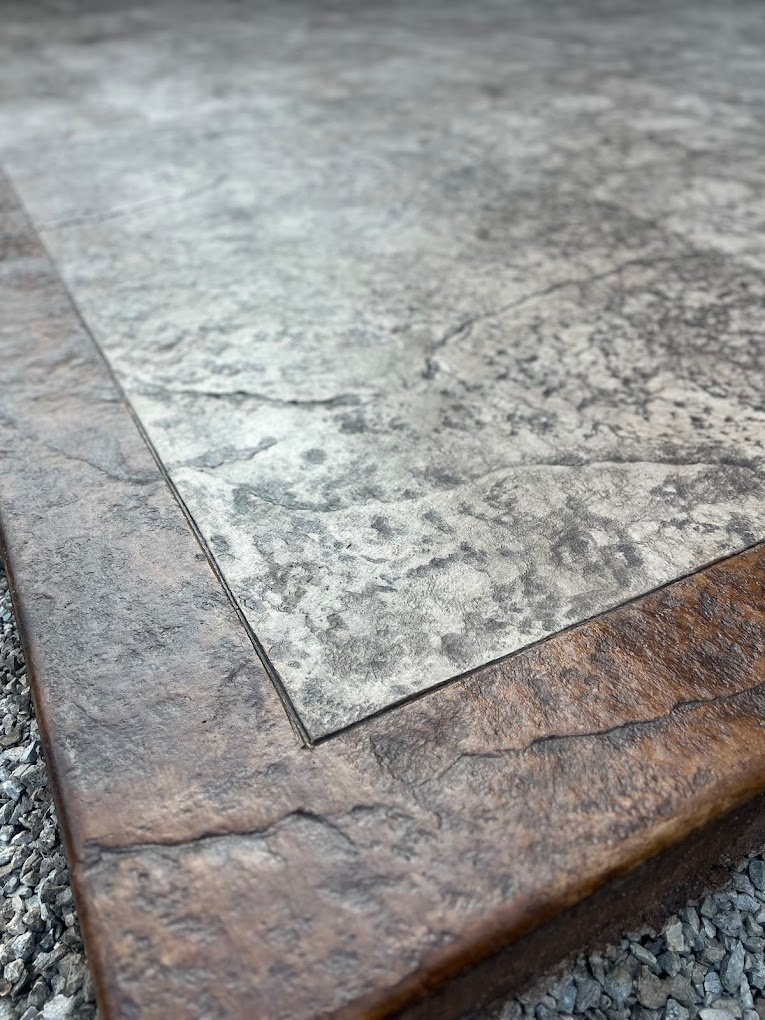
Once the surface is damaged, repairs can be difficult to blend, especially if the driveway has decorative borders or a specific finish.
How to Protect a New Concrete Driveway While It Cures
Protecting the slab during the first week helps prevent surface defects and keeps the driveway looking better long term.
Helpful steps include:
- Follow your contractor’s curing instructions
- Keep vehicles off for the recommended time
- Block access with cones or tape to prevent accidental use
- Avoid placing heavy objects on the slab
- Keep pets off the surface during the first couple of days
- Avoid deicing salts during the first winter season, because new concrete is more vulnerable to scaling
If you have sprinklers, avoid spraying the new concrete unless your contractor recommends a specific curing method.
What If You Need to Use Your Driveway Before the Concrete Is Ready?
Sometimes homeowners have limited parking options and need access sooner. If you are asking when you can drive on new concrete because you have no alternative, talk with your contractor before using it.
Depending on the situation, options may include:
- Planning temporary street parking for a full week
- Using a different access point if available
- Scheduling the pour when you can be away for several days
- Discussing whether a faster strength mix is appropriate for your project
Rushing the timeline without a plan often leads to avoidable surface damage.
When Can You Park on a New Concrete Driveway?
Parking is often harder on concrete than simply driving across it because the weight stays in one place longer.
Many homeowners can park a normal passenger vehicle after about 7 to 10 days, but the best timing depends on:
- Vehicle weight
- Outdoor temperatures
- Curing method
- Driveway thickness
Avoid parking heavy vehicles until your contractor confirms the driveway has gained enough strength.
Get Expert Advice on Your New Concrete Driveway
If you are wondering how long concrete takes to cure before driving on it, the safest approach is to plan for at least 7 days before vehicle traffic and up to 28 days for full strength. Crystal Creek Concrete helps Fort Wayne homeowners install durable concrete driveways built to handle Indiana weather. If you are planning a new driveway or have questions about curing time, maintenance, or decorative options like stamped concrete, our team can provide guidance so your new concrete looks great and performs well for years.