If you’re planning a new concrete driveway, patio, or walkway, you’ll run into this decision quickly: do you keep it simple with regular concrete, or upgrade to a decorative stamped concrete finish? At first glance, it may seem like a purely aesthetic choice, but decorative concrete also changes the overall scope of the project—more labor, additional steps, more detail work, and typically a higher price point.
At the same time, stamped concrete can dramatically transform curb appeal. It can mimic stone, brick, slate, or tile, often turning a basic surface into a standout feature of the home. The real question is whether that upgrade makes sense for your property, your budget, and how you plan to use the space. Below is a full breakdown of stamped vs. regular concrete, including cost, durability, maintenance, and when decorative options are worth considering.
The Quick Answer: Is Stamped Concrete Worth It?
Stamped concrete is worth it if you want a higher-end look, you care about curb appeal, and you’re comfortable with a bit more maintenance (especially sealing). Regular concrete is usually the better choice if your priority is durability, traction, and the best value per square foot, especially for high-traffic driveways where function matters more than appearance.
Fast Facts
- Stamped concrete costs more because it’s more labor-intensive
- Both options can last decades when installed correctly
- Decorative concrete usually needs sealing more consistently
- Regular concrete often offers better traction and simpler repairs
What’s the Difference Between Regular and Stamped Concrete?
Regular Concrete (Broom Finish or Basic Finish)
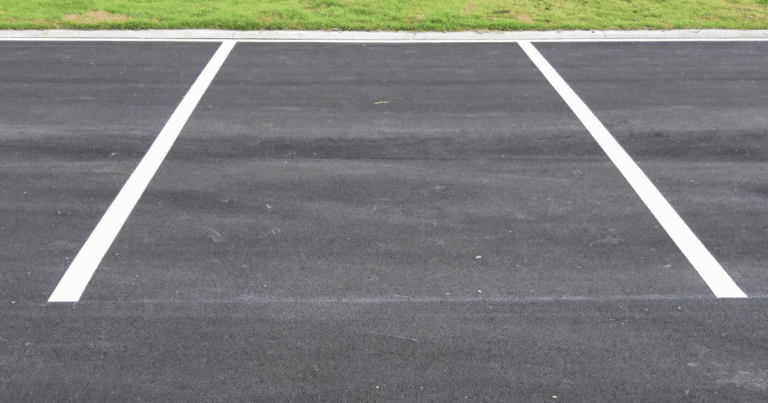
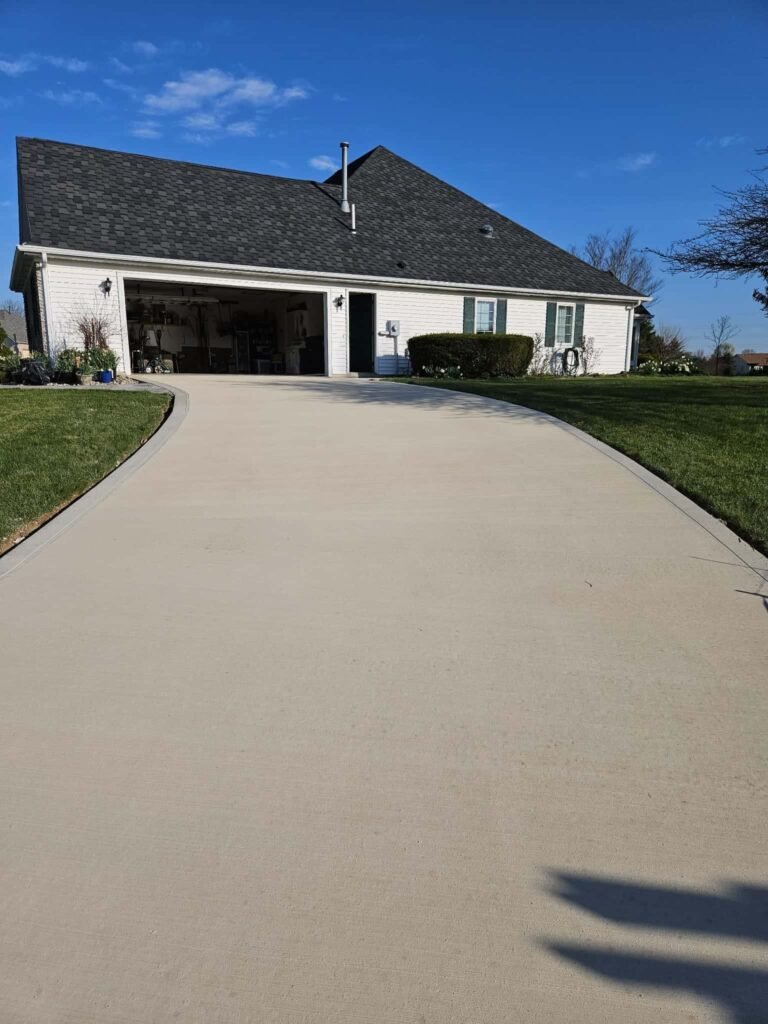
Regular concrete is typically poured, leveled, finished, and textured for traction (often a broom finish). It’s clean, classic, and practical. It’s also the most common choice for residential driveways because it performs well and is straightforward to maintain.
Stamped Concrete (Decorative Concrete)
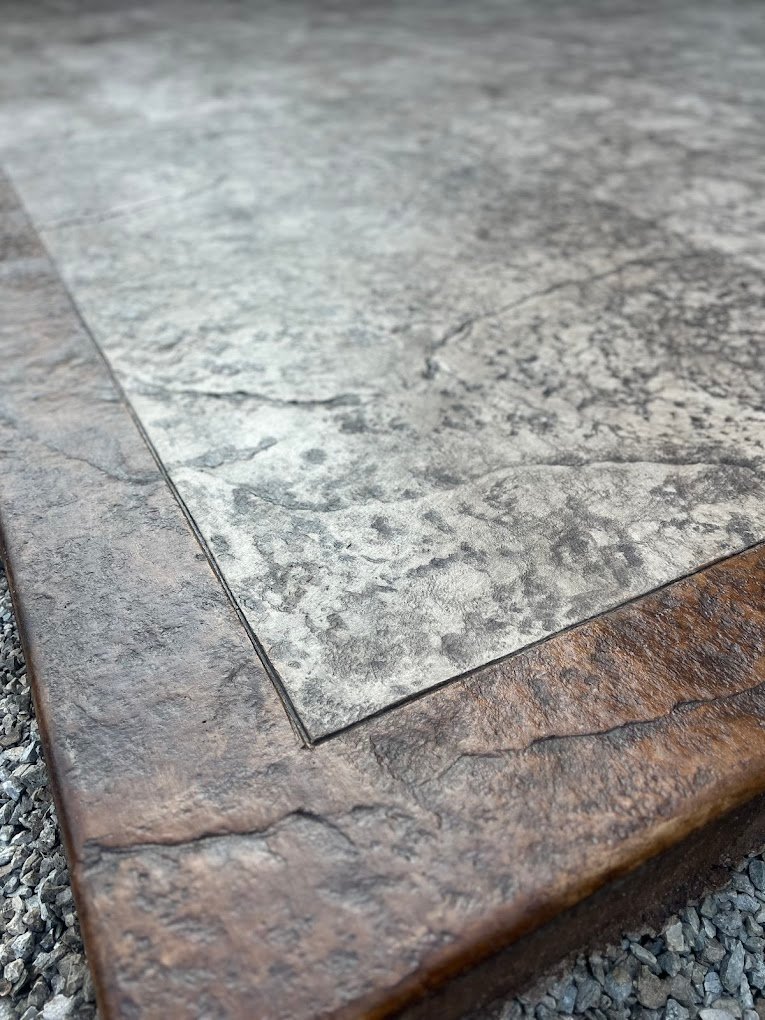
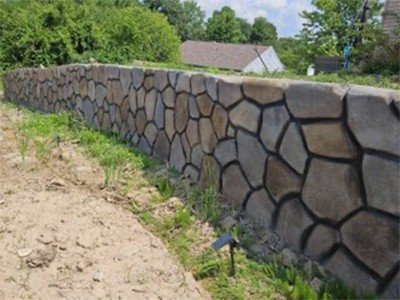
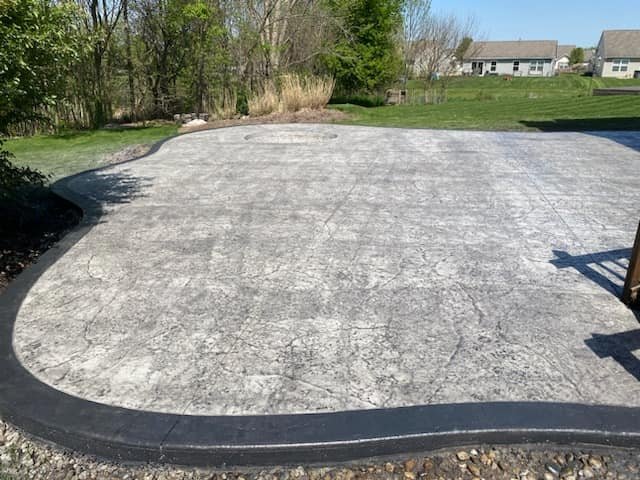
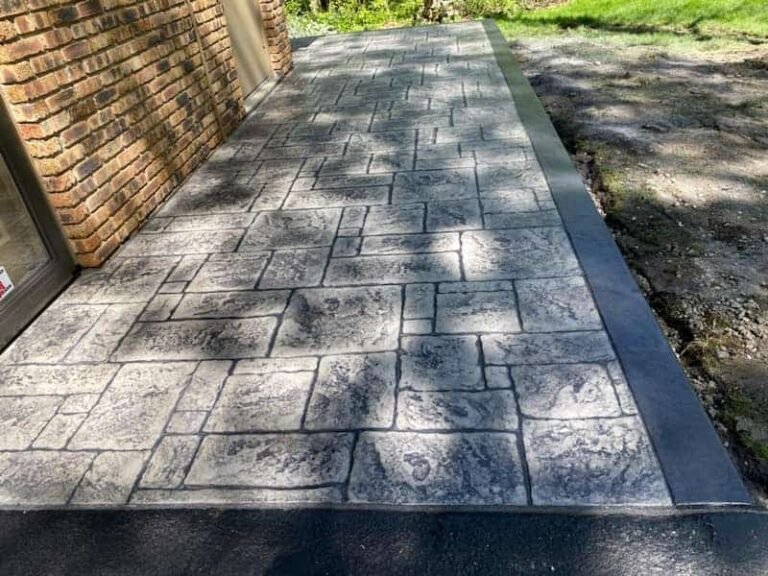
Stamped concrete is still concrete, but it includes additional steps: pattern stamping, often color (integral color or release powder), and more detailed finishing. The goal is to create the look of a premium surface like pavers or natural stone without installing individual pieces.
Stamped vs Regular Concrete: Side-by-Side Comparison
| Feature | Regular Concrete | Stamped Concrete |
| Appearance | Clean, simple | High-end, decorative patterns |
| Typical cost | Lower | Higher |
| Traction | Usually excellent (broom finish) | Can be slippery if sealed/glossy |
| Maintenance | Lower | Moderate (sealing is key) |
| Repairs | Simpler, less noticeable | Repairs can be more visible |
| Best for | Driveways, functional areas | Concrete patios, walkways, statement areas |
This comparison is the practical reality most homeowners experience after installation.
Cost: Why Stamped Concrete Is More Expensive
Stamped concrete typically costs more because it requires:
- More labor and finishing time
- Specialized stamping tools and techniques
- Often, color additives or release agents
- More detailed sealing and protection steps
Fast Cost Perspective
Regular concrete is usually the best value if you want maximum durability per dollar. Stamped concrete is more like a design upgrade, similar to choosing premium flooring instead of builder-grade.
Durability: Does Stamped Concrete Last as Long?
Stamped concrete can last just as long as regular concrete when:
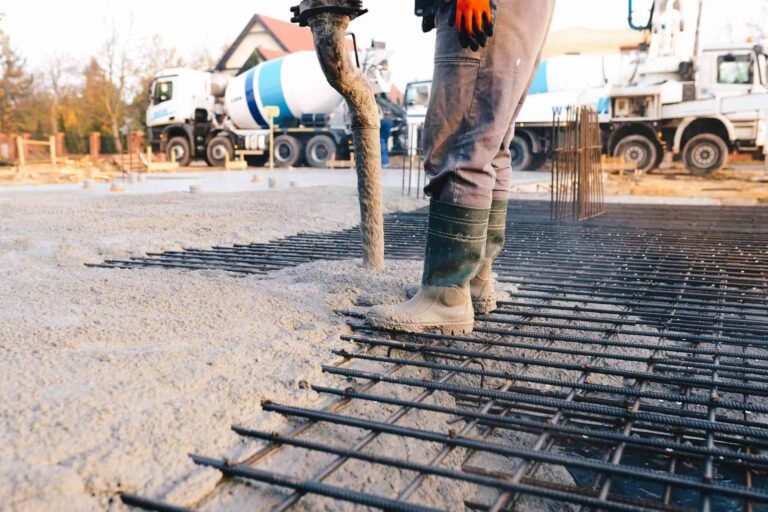
- The base is properly prepared
- The slab thickness is appropriate
- Reinforcement is used correctly
- Control joints are placed strategically
- The surface is sealed and maintained
The difference is that stamped concrete can show wear differently. If the surface isn’t sealed, color can fade faster, and the pattern can lose some visual sharpness over time. The concrete may still be structurally fine, but the “decorative” part is what you’re paying for, so maintenance matters more.
Maintenance: What Decorative Concrete Requires
Stamped concrete usually needs more consistent maintenance than regular concrete, mainly because of sealing.
What Maintenance Looks Like
- Resealing on a schedule (often every 2–4 years, depending on exposure)
- Gentle cleaning to avoid staining and discoloration
- Extra attention in winter climates to reduce surface damage
Winter Considerations
If you’re using stamped concrete in areas exposed to snow and ice, you’ll want to be careful with de-icing chemicals. Some de-icers can be harsh on concrete surfaces, especially if the sealer is worn or the concrete is newer.
Traction and Safety: A Big Driveway Consideration
One of the most important differences for driveways is traction.
Regular Concrete
A broom finish is designed for grip. It’s a practical choice for:
- Sloped driveways
- Shaded areas that ice over
- Homes with frequent snow removal
Stamped Concrete
Stamped concrete can be safe, but it depends on:
- Pattern depth and texture
- The type of sealer used (some are slicker)
- Whether an anti-slip additive is included
If you like the look of stamped concrete for a residential driveway installation, it’s important to think about traction early in the planning process. While decorative finishes can elevate the appearance, they can also become slick when wet or icy if not installed with the right texture and sealer.
A good contractor can adjust the finish to improve grip—whether that means adding a light texture, choosing the right pattern, or using a non-slip additive in the sealer. This is especially important in climates with rain, snow, or freeze-thaw cycles, where surface traction directly affects safety and usability over time.
Where Stamped Concrete Usually Makes the Most Sense
Stamped concrete is often the best “value” when it’s used where people see it and enjoy it, not just drive over it.
Great Uses for Stamped Concrete
- Front entry walkways
- Patios and outdoor living spaces
- Pool decks (with the right finish for traction)
- Decorative borders or accents on a driveway
Great Uses for Regular Concrete
- Standard residential driveways
- Sidewalks and utility walkways
- High-traffic areas where function matters most
Did You Know?
Stamped concrete can mimic the look of pavers, but it won’t have the same repair flexibility. With pavers, you can replace individual pieces. With stamped concrete, repairs are possible, but matching the pattern and color perfectly can be challenging, especially years later.
How to Decide: Is Decorative Concrete Worth It for You?
Here’s a simple decision framework.
Decorative Concrete Is Worth It If:
- You care about curb appeal and want a “wow” factor
- You plan to stay in the home long enough to enjoy it
- You’re comfortable resealing periodically
- You want a custom look without installing pavers
Regular Concrete Is the Better Choice If:
- You want the best durability and value per square foot
- Your driveway is steep or frequently icy
- You prefer minimal maintenance
- You want the simplest long-term repair path
Want to Explore Decorative Concrete Options in Fort Wayne, IN?
If you’re deciding between stamped vs regular concrete for your next project, Crystal Creek Concrete can help you compare finishes, understand maintenance needs, and choose the right option for your property and budget. For a concrete driveway in Fort Wayne, IN, call us today to request a quote and discuss whether decorative concrete is worth it for your home!