If you’re planning a driveway replacement or installing a new outdoor surface, the material choice can feel deceptively simple. Concrete, asphalt, and pavers all look “fine” in photos, and each one has people swearing it’s the best. But the right option depends on what you care about most: upfront cost, long-term maintenance, curb appeal, winter performance, repairability, and how long you want it to last before you have to think about it again.
This guide breaks down concrete vs. asphalt vs. pavers in plain language, with real pros and cons, typical use cases, and a comparison table you can use to make a decision that fits your home and your budget. If you’re choosing a driveway specifically, we’ll also cover traction, snow removal, and what tends to hold up best over time.
The Quick Answer: Which Material Is “Better”?
Concrete is often the best all-around choice for homeowners who want a long-lasting, low-maintenance surface with a clean look. Asphalt can be a great option if your priority is a lower upfront cost and faster installation. Pavers are usually the top choice for high-end curb appeal and design flexibility, but they often come with higher installation costs and more ongoing maintenance.
Fast Facts
- Concrete usually lasts longer than asphalt when installed correctly
- Asphalt is typically cheaper upfront, but it needs more frequent maintenance
- Pavers offer the most design options and are easy to repair in sections
- Your climate and drainage matter as much as the material
Concrete vs Asphalt vs Pavers: Side-by-Side Comparison
| Feature | Concrete | Asphalt | Pavers |
| Typical lifespan | 25–40+ years | 15–25 years | 25–50+ years (with maintenance) |
| Upfront cost | Mid | Low | High |
| Maintenance | Low–moderate | Moderate–high | Moderate |
| Repairability | Moderate (patches visible) | Easy (patch/overlay) | Excellent (replace individual pavers) |
| Curb appeal | Clean, customizable | Simple, uniform | High-end, most customizable |
| Heat performance | Can get hot, reflects light | Gets very hot, can soften | Varies by material/color |
| Winter performance | Good with proper mix/finish | Good, but can crack/age faster | Good, but joints can shift if the base is weak |
| Install time | Moderate | Fast | Slower (labor-intensive) |
This table is a starting point. The “best” choice depends on how you use the space and what you’re willing to maintain.
Concrete: Pros and Cons
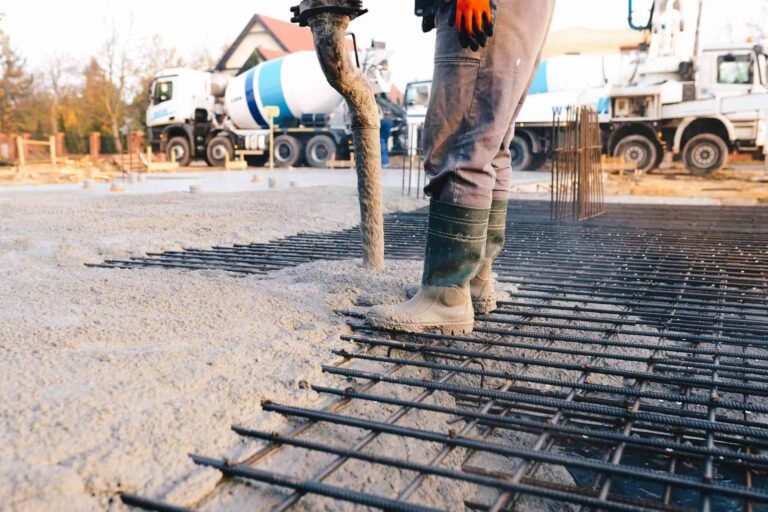
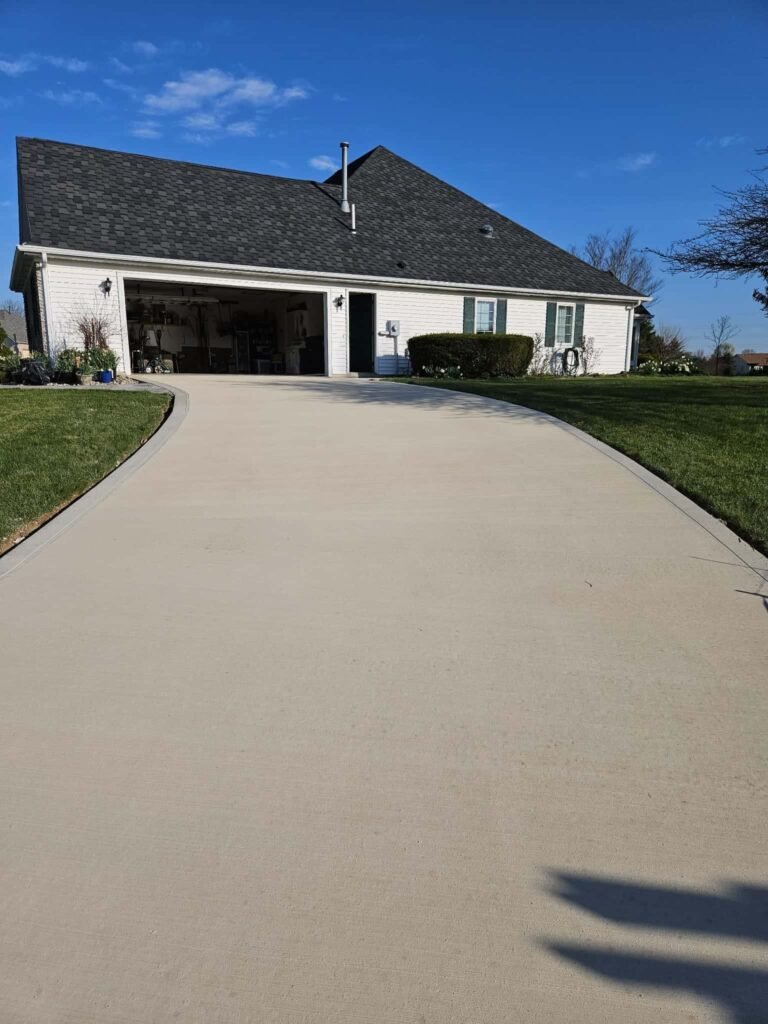
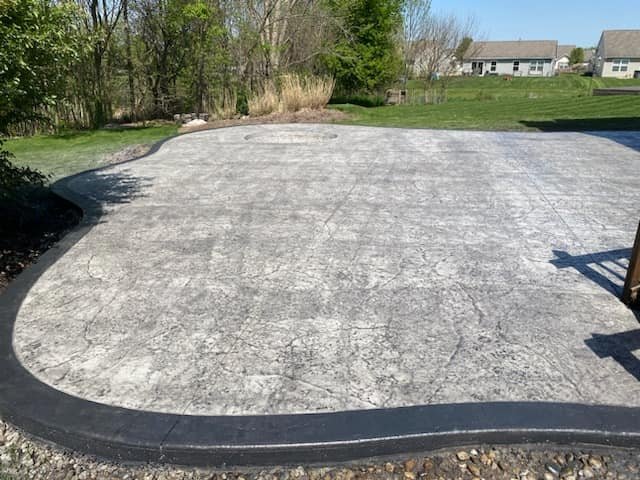
Concrete is a popular choice for outdoor surfaces because it balances durability, cost, and appearance. Whether you’re installing a driveway, walkway, or upgrading your space with custom-designed concrete patios, it offers plenty of flexibility—you can keep it simple or enhance it with decorative finishes.
Pros of Concrete
- Long lifespan when installed correctly
- Low maintenance compared to asphalt
- Strong surface for daily vehicle traffic
- Many finish options (broom, exposed aggregate, stamped, colored)
- Doesn’t soften in the heat the way asphalt can
Cons of Concrete
- Higher upfront cost than asphalt in many cases
- Cracks can happen (the goal is to control them with joints)
- Repairs can be noticeable compared to the original surface
- Needs proper curing and sealing for best long-term performance
Best For
Homeowners who want a durable driveway or patio with a clean look and a long service life without constant upkeep.
Asphalt: Pros and Cons
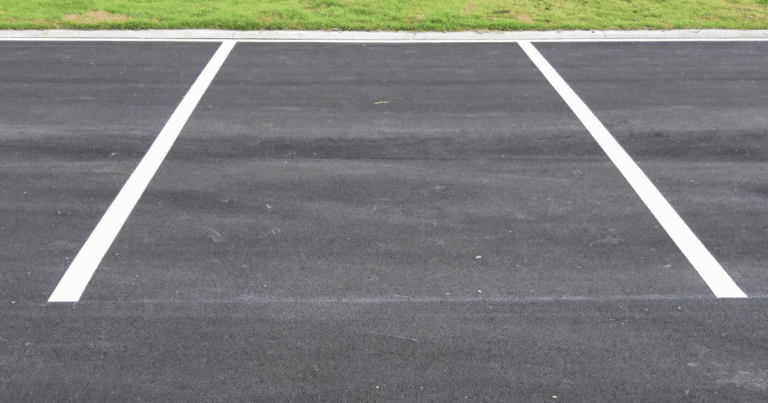
Asphalt is often chosen for cost and speed. It can look great when it’s new, but it generally requires more maintenance over the years.
Pros of Asphalt
- Typically, the lowest upfront cost
- Faster installation and quicker to use
- Easier to patch and resurface
- Flexible material that can handle minor movement
Cons of Asphalt
- Shorter lifespan than concrete in many cases
- Requires sealing more regularly to slow deterioration
- Can soften in high heat and scuff under turning tires
- More prone to visible wear, fading, and cracking over time
Best For
Homeowners who want a functional driveway at a lower upfront price and don’t mind periodic sealing and resurfacing.
Pavers: Pros and Cons
Pavers are often the “premium” option because of the design flexibility and the ability to repair small areas without replacing the whole surface.
Pros of Pavers
- Highest curb appeal and design flexibility
- Individual pavers can be replaced if damaged
- Good traction and drainage options
- Can last a very long time with proper base prep
Cons of Pavers
- Higher installation cost (labor and materials)
- Weeds can grow in joints if not maintained
- Can shift or settle if the base isn’t built correctly
- Snow removal can be slightly more finicky if joints are uneven
Best For
Homeowners who want a high-end look, custom patterns, and the ability to repair sections easily, even if it costs more upfront.
What Google Results Often Miss: The “Base and Drainage” Factor
Many comparisons focus only on the surface material, but the base and drainage are what truly determine how long the project lasts. Even a high-quality commercial concrete installation can fail early if it’s built over a weak base. On the other hand, proper compaction, grading, and slope can significantly improve the performance of any surface option.
Quick Checklist: Base and Drainage Questions
- Will water run away from the garage and foundation?
- Is the subgrade stable or prone to settling?
- Is the base depth appropriate for the load and climate?
- Are edges supported to prevent crumbling or shifting?
Cost Considerations: Upfront vs Long-Term
Choosing the cheapest option upfront doesn’t always mean it’s the cheapest over time. A simple way to think about it is “total cost of ownership,” which includes maintenance and how often you’ll need major work.
Long-Term Cost Drivers
- Sealing frequency (asphalt usually needs it more)
- Resurfacing or overlays (common with asphalt)
- Weed control and joint maintenance (pavers)
- Crack sealing and occasional repairs (concrete)
Did You Know?
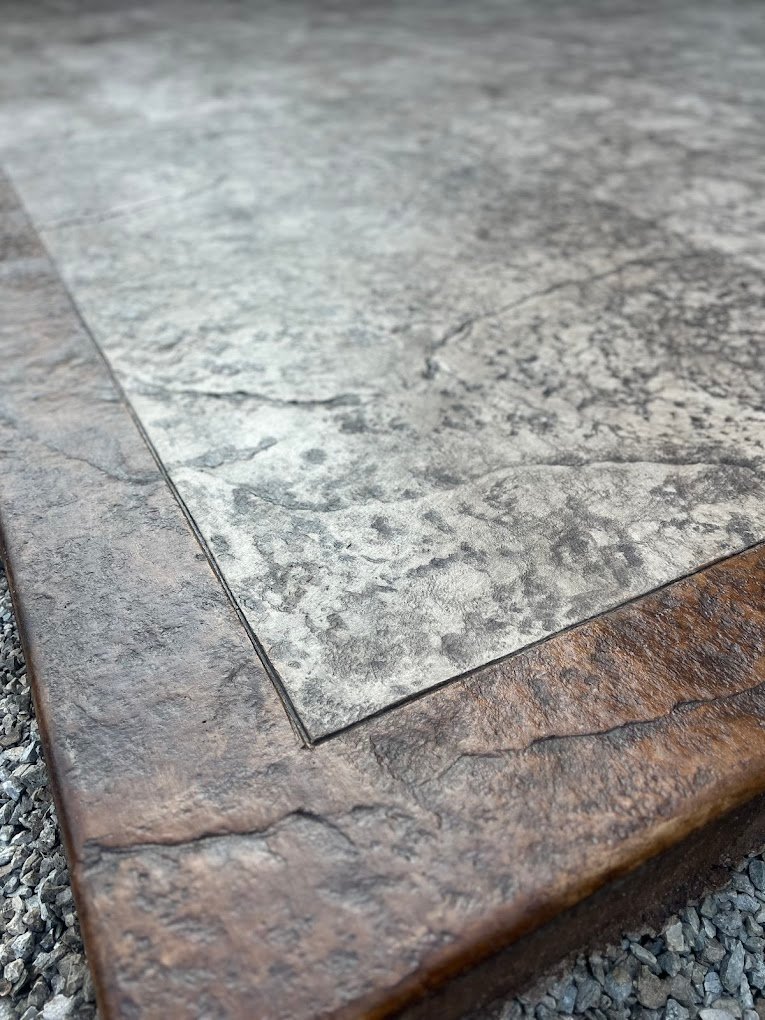
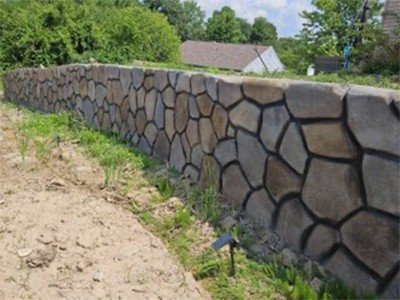
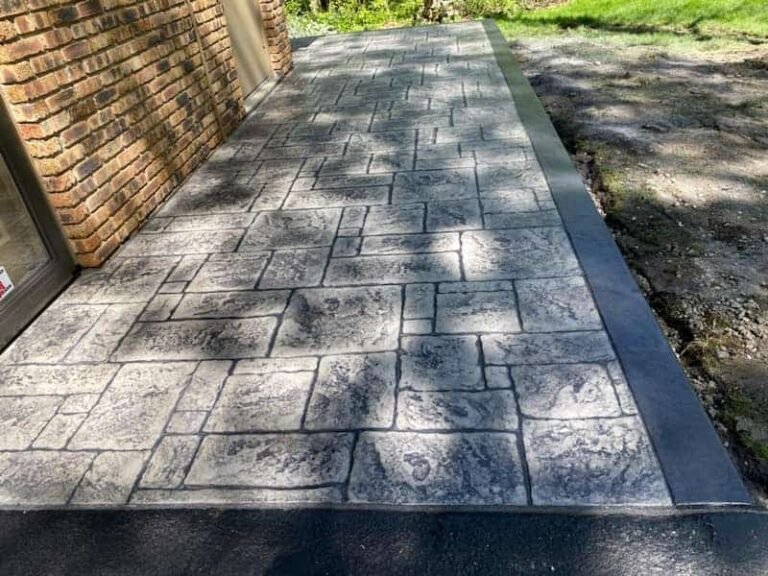
Stamped concrete can mimic the look of pavers or stone at a lower cost than true pavers in many cases. The tradeoff is repairability: pavers are easier to replace in small sections, while stamped concrete repairs can be more visible.
Which One Should You Choose for a Driveway?
Here’s a practical way to decide based on priorities.
Choose Concrete If You Want:
- A long-lasting driveway with low ongoing maintenance
- A clean, modern look with optional decorative upgrades
- Strong performance for daily vehicle use
Choose Asphalt If You Want:
- The lowest upfront cost
- A quick install and a simple, functional surface
- A material you can resurface periodically
Choose Pavers If You Want:
- The most design flexibility and premium curb appeal
- Easy repair by replacing individual pavers
- A driveway that can look high-end for decades with upkeep
Want Help Choosing the Best Driveway Material in Fort Wayne, IN?
If you’re deciding between concrete, asphalt, or pavers for your next driveway project, Crystal Creek Concrete can help you compare options based on your property, budget, and long-term goals. For a durable concrete driveway in Fort Wayne, IN, contact us today to request a quote and get expert guidance on the best solution for your home!