A concrete driveway is often seen as a long-term upgrade, but most homeowners still wonder what that really means in real life. Will it last 10 years? 20? 40? The honest answer is that concrete can be extremely durable, but the lifespan depends on how it’s installed, how it’s used, and how well it’s protected from the things that break driveways down over time—water, freeze-thaw cycles, heavy loads, and de-icing chemicals.
If you’re investing in a new installation or planning a full driveway replacement for an aging or damaged surface, it helps to understand what a normal lifespan looks like, what causes early failure, and what you can do to get the most years out of it. Below is a full breakdown, plus practical ways to extend the life of your driveway without turning maintenance into a full-time job.
The Quick Answer: Average Concrete Driveway Lifespan
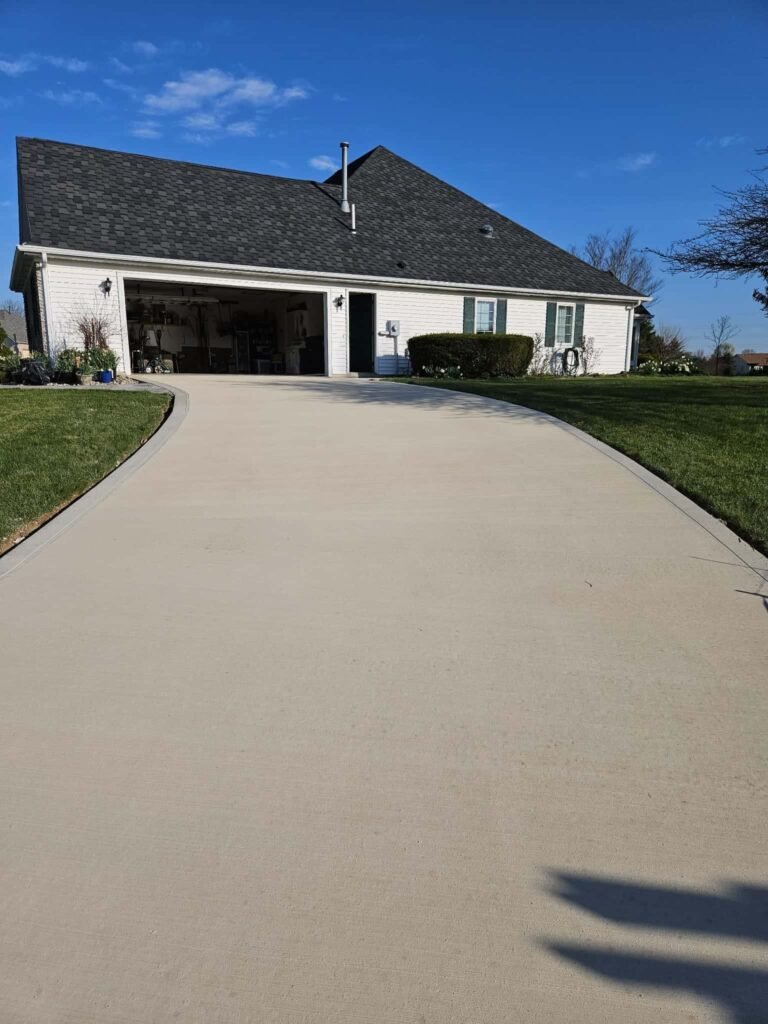
From our experience working as a professional concrete contractor, most well-installed concrete driveways last 25–30 years, and many can reach 30–40+ years with proper installation and basic upkeep. On the other hand, a driveway can start failing much earlier if the base is poorly prepared, drainage is ignored, or it’s exposed to repeated freeze-thaw damage without protection.
Fast Facts
- A properly installed concrete driveway often lasts 25–30 years
- Many driveways reach 30–40+ years with good care
- Most “early failures” come from base issues and water, not the concrete mix alone
- Small cracks are normal; settling, heaving, and scaling are bigger red flags
What Determines How Long a Concrete Driveway Lasts?
Concrete isn’t just a surface; it’s a system made up of the slab, the base underneath, and the way water moves around it. Longevity comes down to a few key factors.
1) Base Prep and Compaction
The base is the foundation of your driveway. If it’s not compacted correctly or the soil underneath is unstable, the driveway can settle, crack excessively, or dip in sections. Even strong concrete can’t “float” over a weak base forever.
2) Thickness and Reinforcement
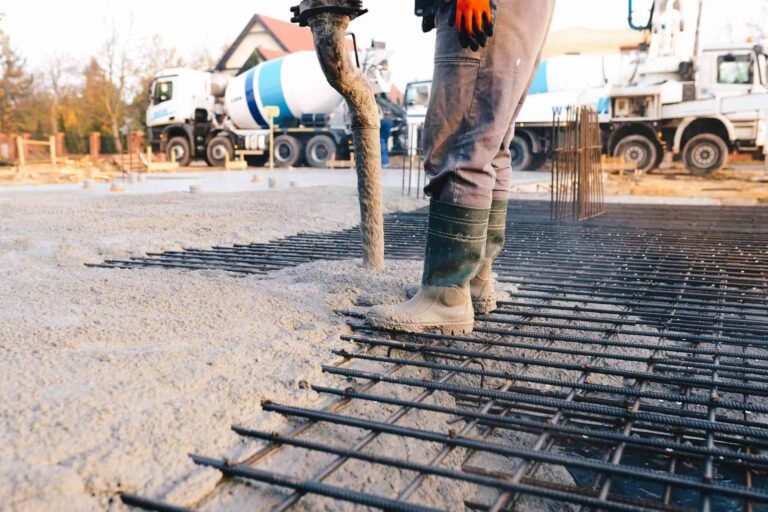
Most residential driveways are poured at 4 inches, but heavier use (work trucks, trailers, RV parking) often calls for 5–6 inches and appropriate reinforcement. Reinforcement doesn’t mean “no cracks,” but it helps prevent cracks from turning into major structural problems.
3) Drainage and Water Control
Water is one of the biggest enemies of driveway lifespan. If water pools on the surface or runs underneath the slab, it can lead to:
- Freeze-thaw expansion and cracking
- Erosion of the base
- Settling and uneven sections
Good slope, downspout management, and proper grading around the driveway matter more than most people expect.
4) Climate and Freeze-Thaw Cycles
In places with winter weather, concrete goes through repeated expansion and contraction. If moisture gets into the surface and freezes, it can cause scaling (flaking) and surface damage over time, especially if de-icers are used heavily.
5) Traffic and Load
A driveway that only sees passenger cars will generally last longer than one that regularly holds heavy vehicles. Concentrated loads (like turning wheels in the same spot or parking heavy trucks) increase stress on the slab.
6) Surface Finish and Curing
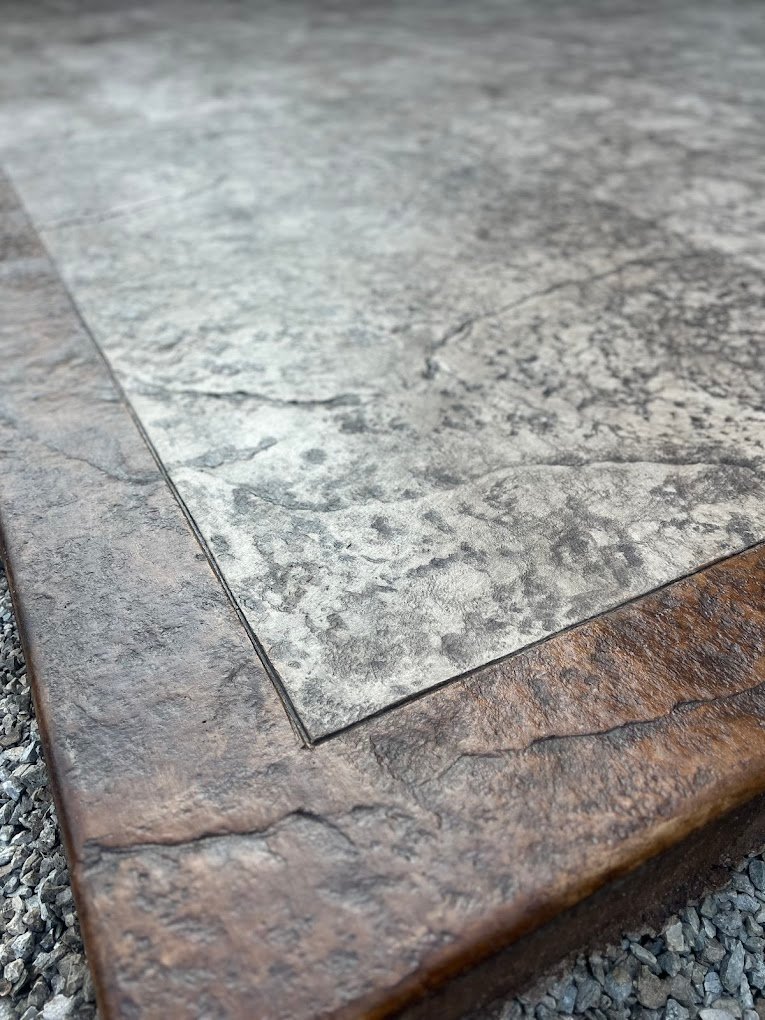
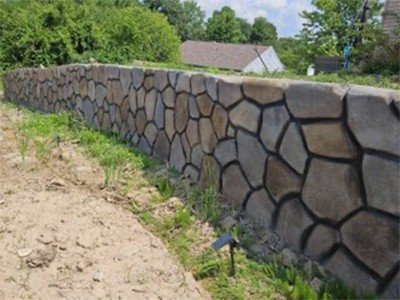
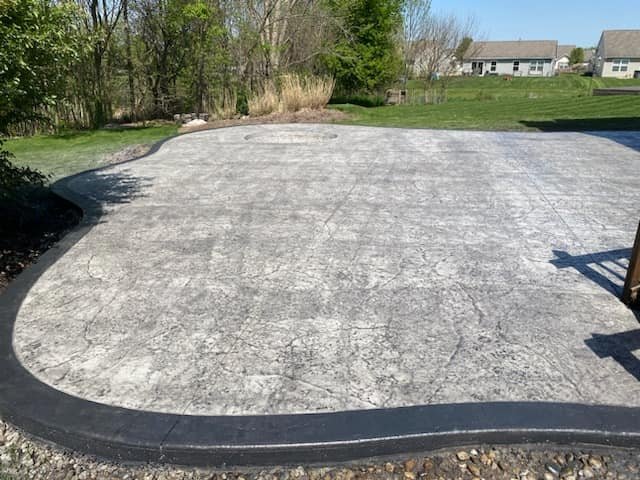
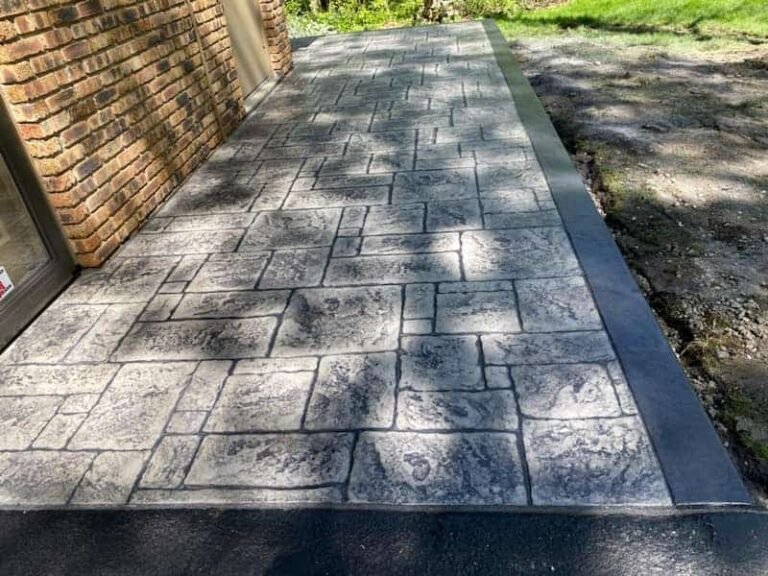
Proper curing strengthens concrete. A driveway that cures correctly is more resistant to surface wear and weathering. The finish also plays a big role—traction, water shedding, and long-term appearance can vary, especially when incorporating features like decorative stamped concrete borders or other custom finishes.
What’s “Normal” vs. What’s a Problem?
Concrete will almost always develop some cracking over time. The goal is to control where cracks happen and prevent them from becoming structural failures.
Normal (Usually Not a Dealbreaker)
- Hairline cracks
- Minor surface discoloration
- Small shrinkage cracks near joints
Signs Your Driveway Is Wearing Out Too Fast
- Large cracks that widen or spread quickly
- Uneven sections, sinking, or heaving
- Surface scaling or flaking (especially after winter)
- Spalling (chunks breaking off edges)
- Standing water or persistent puddles
- Cracks that create trip hazards or catch snow shovels
If you’re seeing these issues early, it often points to drainage problems, base failure, or poor installation practices.
How to Extend the Life of a Concrete Driveway (Practical Steps)
You don’t need to baby your driveway, but a few habits make a big difference over decades.
Seal the Driveway on a Smart Schedule
Sealing helps reduce moisture penetration, staining, and damage from de-icers. The right schedule depends on exposure and product type, but many homeowners reseal every 2–5 years.
Keep Water Away From the Slab
This is one of the biggest lifespan multipliers. Check:
- Downspouts: extend them so water doesn’t dump next to the driveway
- Grading: Make sure soil slopes away from the slab edges
- Low spots: fix areas where water pools
Use De-Icers Carefully
De-icing chemicals can be rough on concrete, especially in the first winter after installation. If you need traction, sand is often a safer option. If you use de-icer, use it sparingly and choose products that are less harsh on concrete.
Clean Oil and Rust Stains Early
Concrete is porous. The longer stains sit, the deeper they can penetrate. A quick cleanup helps keep the surface looking newer and reduces long-term discoloration.
Avoid Heavy Loads on Edges
Driveway edges are more vulnerable to cracking and chipping. Try not to park heavy vehicles with tires right on the edge, and be cautious with dumpsters or heavy equipment placement.
Fix Small Issues Before They Grow
Minor cracks can often be sealed to reduce water intrusion. Catching problems early helps prevent freeze-thaw expansion from turning small cracks into larger damage.
Maintenance Timeline: What to Do and When
| Timeframe | What to Do | Why It Helps |
| First 7–28 days | Avoid heavy loads, protect the curing | Builds strength and reduces early surface damage |
| First winter | Minimize de-icers, avoid metal shovels scraping | Reduces scaling risk while the concrete is still “young.” |
| Yearly | Inspect cracks, check drainage, and clean stains | Prevents water intrusion and base erosion |
| Every 2–5 years | Reseal (as needed) | Protects against moisture, stains, and de-icers |
| As needed | Crack sealing / minor repairs | Stops small issues from becoming structural problems |
Did You Know?
Concrete continues gaining strength for a long time after it’s poured. While it reaches a large portion of its strength in the first month, the curing process continues beyond that. One reason proper early curing and protection matter so much.
When Should You Repair vs. Replace a Concrete Driveway?
Sometimes a driveway looks rough but is still structurally fine. Other times, it looks “okay” but has base problems that will keep getting worse.
Repair May Make Sense If:
- Cracks are minor and not spreading rapidly
- The driveway is mostly level
- Surface wear is cosmetic
- Drainage is correct or can be corrected
Replacement Is Often Better If:
- Multiple areas are sinking or heaving
- Large cracks create uneven slabs
- Water consistently pools and can’t be fixed easily
- The base has failed, and sections keep moving
- The driveway is near the end of its lifespan, and repairs are stacking up
Want a Concrete Driveway Built to Last in Fort Wayne, IN?
If you’re planning a concrete driveway in Fort Wayne, IN, Crystal Creek Concrete can help you choose the right thickness, reinforcement, and finish, and make sure drainage and base prep are done correctly so your driveway lasts as long as it should. Call us to request a quote for a concrete driveway in Fort Wayne, IN, today!