Planning a new driveway or replacing an existing one starts with understanding cost. Concrete driveway pricing can vary widely depending on the size of the project, site conditions, thickness, and design choices.
This guide breaks down real-world pricing, what affects cost the most, and how to plan your project so you avoid unexpected expenses. If you are comparing options or budgeting for a project, this will help you make informed decisions based on how concrete driveways are actually built.
Average Concrete Driveway Cost Per Square Foot
Concrete driveway cost is typically calculated per square foot. The final price depends on the type of finish, site preparation, and overall complexity.
Typical Cost Ranges in 2026

These are realistic ranges for residential projects. Larger driveways may lower the cost per square foot, while smaller or complex projects often fall on the higher end.
For a broader understanding of how pricing ties into construction and design decisions, it helps to review the full concrete driveway guide before finalizing your budget.
Total Cost Based on Driveway Size
Most homeowners think in total project cost rather than price per square foot. Below is a general estimate based on common driveway sizes.
Estimated Total Project Cost

These ranges assume standard conditions. Costs can increase if the project requires grading, drainage work, or removal of an existing surface.
What Factors Affect Concrete Driveway Cost?
Understanding what drives pricing helps you control your budget and avoid surprises.
1. Site Preparation and Excavation
This is one of the biggest cost variables.
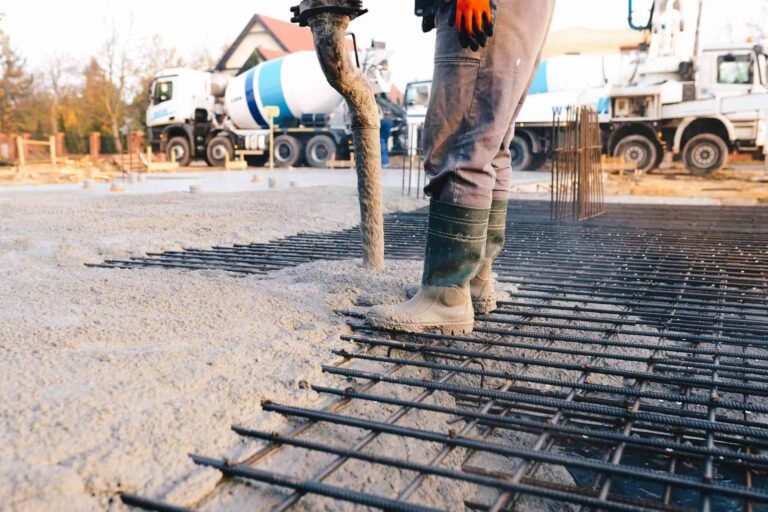
If the existing ground is uneven, soft, or poorly compacted, additional work is required to create a stable base. This may include:
- Excavation and soil removal
- Importing and compacting gravel
- Adjusting slope for drainage
Driveways that require extensive preparation cost more because the base determines long-term performance.
2. Driveway Thickness and Reinforcement
Thickness affects both durability and cost.
A standard residential driveway is typically 4 inches thick. If you plan to park heavier vehicles, thicker concrete and additional reinforcement may be required.
Reinforcement options include:
- Rebar
- Wire mesh
These materials add cost but improve strength and reduce long-term issues.
3. Removal of Existing Driveway
If you are replacing an old driveway, demolition and disposal add to the total cost.
This includes:
- Breaking up existing concrete or asphalt
- Hauling debris off-site
- Preparing the surface for new installation
Replacement projects are often more expensive than new installations because of this added step.
4. Design and Finish Options
The finish you choose has a direct impact on cost.
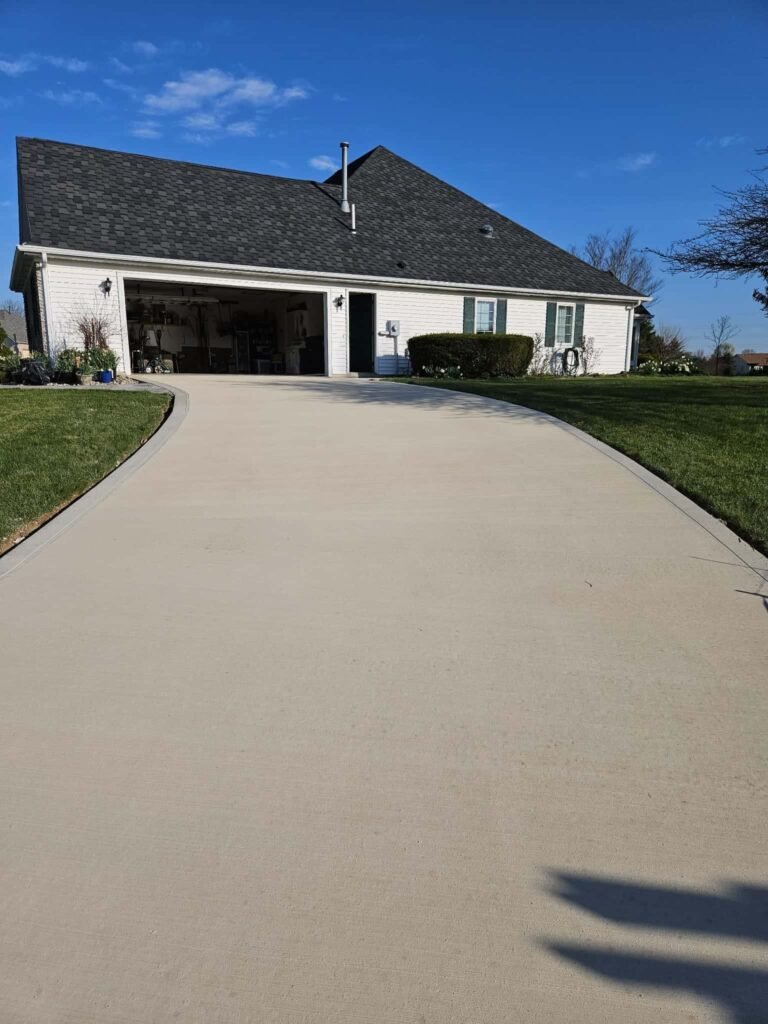
Basic broom finishes are the most affordable. Decorative options increase labor and material costs.
Common Finish Cost Differences
- Broom finish: lowest cost
- Light color or texture: moderate increase
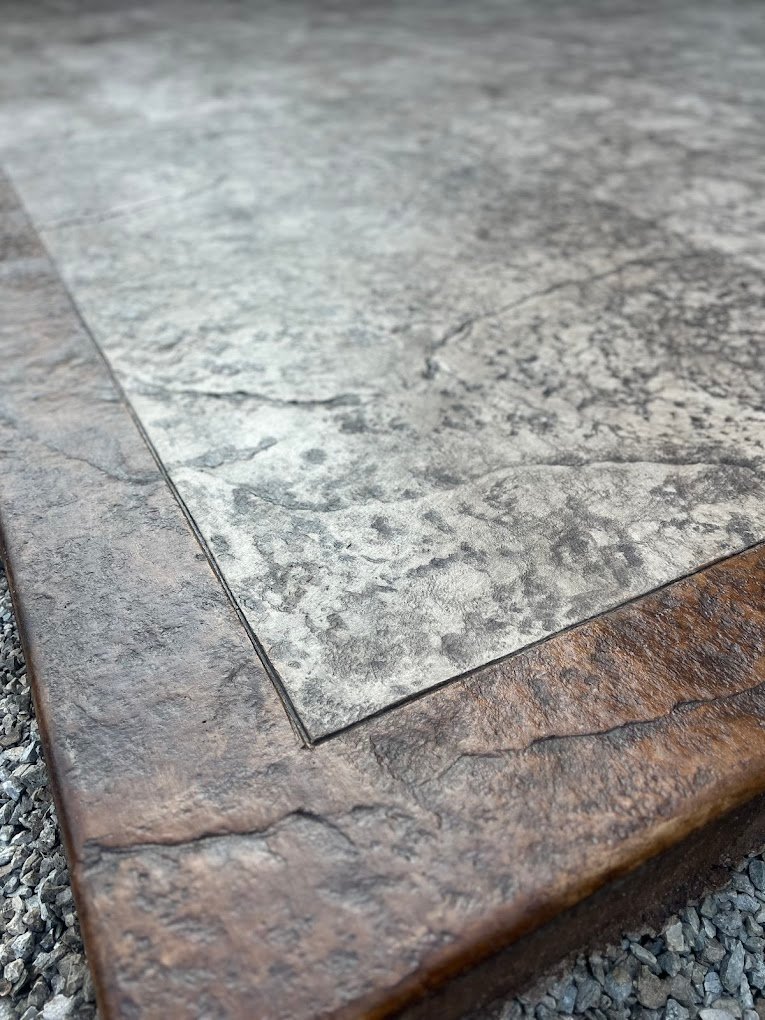
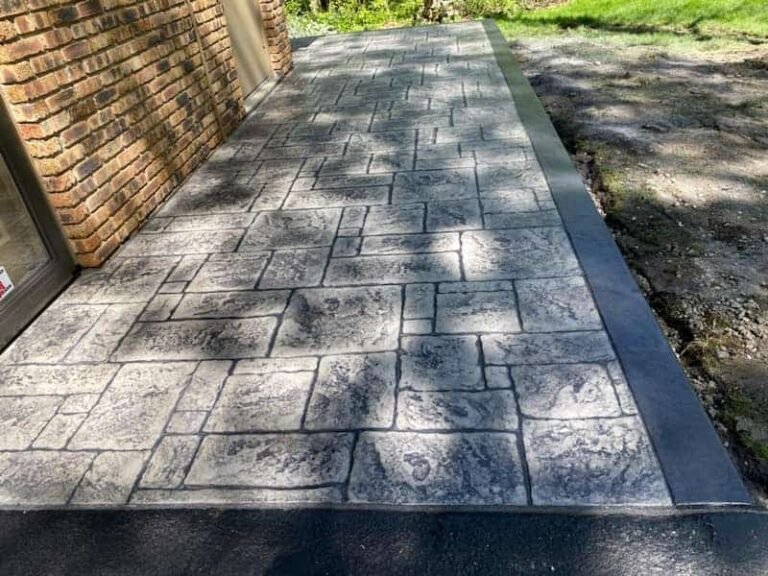
- Stamped or patterned: highest cost
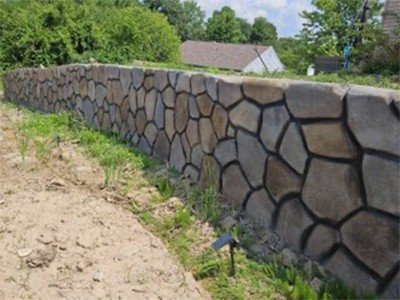
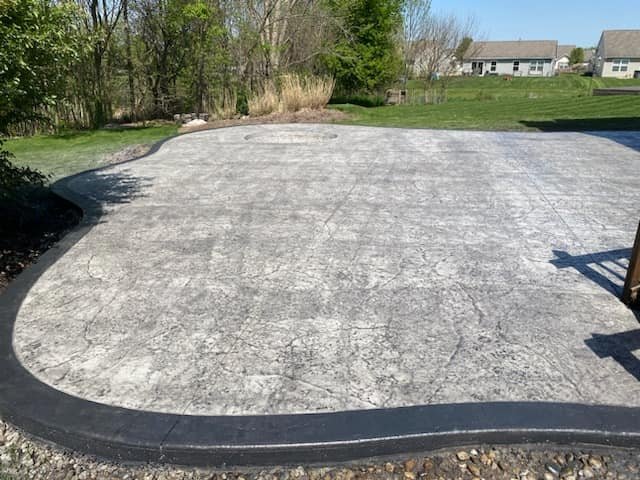
Many homeowners choose decorative finishes through decorative concrete services when appearance is a priority, especially for front-facing driveways.
5. Driveway Layout and Accessibility
Simple, straight driveways cost less to install.
Costs increase when the project includes:
- Curves or custom shapes
- Sloped or uneven terrain
- Limited access for equipment
Tight spaces or difficult layouts require more labor and time.
6. Drainage Requirements
Proper drainage is essential for performance.
If water collects on or around the driveway, additional work may be needed, such as:
- Adjusting slope
- Installing drainage systems
- Redirecting runoff
Ignoring drainage can lead to long-term damage, so this is not an area to cut costs.
Concrete Driveway Cost vs Value
Concrete driveways have a higher upfront cost compared to some alternatives, but they typically provide better long-term value.
Why Concrete Often Costs Less Over Time
- Longer lifespan (25–40 years)
- Lower maintenance requirements
- Better resistance to weather and load
A cheaper option may save money initially but require more repairs and upkeep over time.
Concrete vs Asphalt Driveway Cost Comparison
Many homeowners compare concrete with asphalt when planning a driveway.
Cost and Performance Comparison

Concrete typically has a higher upfront cost but lower long-term maintenance expenses.
Cost Differences: New Installation vs Replacement
There is a noticeable difference between installing a new driveway and replacing an existing one.
New Installation
- Lower cost
- Minimal site disruption
- Focus on grading and base prep
Replacement
- Higher cost
- Includes demolition and removal
- May involve correcting existing issues
Driveway replacement projects often uncover underlying problems such as poor drainage or unstable soil, which can affect final pricing.
Hidden Costs to Plan For
Some costs are not always included in initial estimates but can impact your budget.
Common Additional Costs
- Permit requirements
- Site access limitations
- Drainage improvements
- Soil stabilization
- Utility adjustments
Discussing these factors early helps avoid unexpected expenses during construction.
How to Keep Your Concrete Driveway Project Within Budget
There are practical ways to manage cost without compromising quality.
Smart Cost Control Strategies
- Keep the layout simple
- Choose a standard finish for larger areas
- Upgrade design features selectively
- Ensure proper planning before starting
The goal is to invest in the parts of the project that affect performance, such as base preparation and thickness.
When a Lower Price Can Cost More Later
Choosing the lowest quote is not always the best decision.
Lower pricing often means compromises in:
- Base preparation
- Thickness
- Reinforcement
- Labor quality
These shortcuts can lead to early cracking, settling, or failure, which results in higher repair or replacement costs later.
How to Get an Accurate Estimate
Online cost ranges are helpful, but every property is different.
A proper estimate should include:
- Site evaluation
- Soil and drainage assessment
- Driveway size and layout
- Thickness and reinforcement recommendations
- Finish options
Working with a contractor experienced in concrete driveway installation ensures the estimate reflects actual site conditions and project requirements.
Final Thoughts
Concrete driveway cost depends on more than just square footage. The biggest factors are site preparation, thickness, and design choices.
Understanding these variables allows you to plan your project more effectively and avoid common issues that lead to additional costs.
If you are comparing options or preparing for a project, reviewing both cost and construction details will give you a clearer picture of what to expect.
Crystal Creek Concrete works with homeowners to provide accurate estimates based on real site conditions, helping ensure each driveway is built with the right approach for long-term performance.